
Understanding Cotton-Blend Fabrics: From 100% Cotton to Polyester Mixes
Cotton is one of the most widely used natural fibers in the textile industry. Its softness, breathability, and durability make it a favorite for everyday clothing, bedding, and more. However, cotton is often blended w…

Cotton is one of the most widely used natural fibers in the textile industry. Its softness, breathability, and durability make it a favorite for everyday clothing, bedding, and more. However, cotton is often blended with other fibers to achieve specific characteristics—such as strength, wrinkle resistance, or cost efficiency. In this article, we’ll explore fabrics that are made with cotton.
1. 100% Cotton Fabrics
Ranforce, aka. Poplin
Ranforce or poplin is a high-quality cotton fabric widely used in bed linens. It is tightly woven using a plain weave structure, which enhances its durability while maintaining softness and breathability. Ranforce is known for:
Smooth texture
Resistance to pilling
Hypoallergenic properties
Good moisture absorption
Its affordability and comfort make it ideal for home textiles.
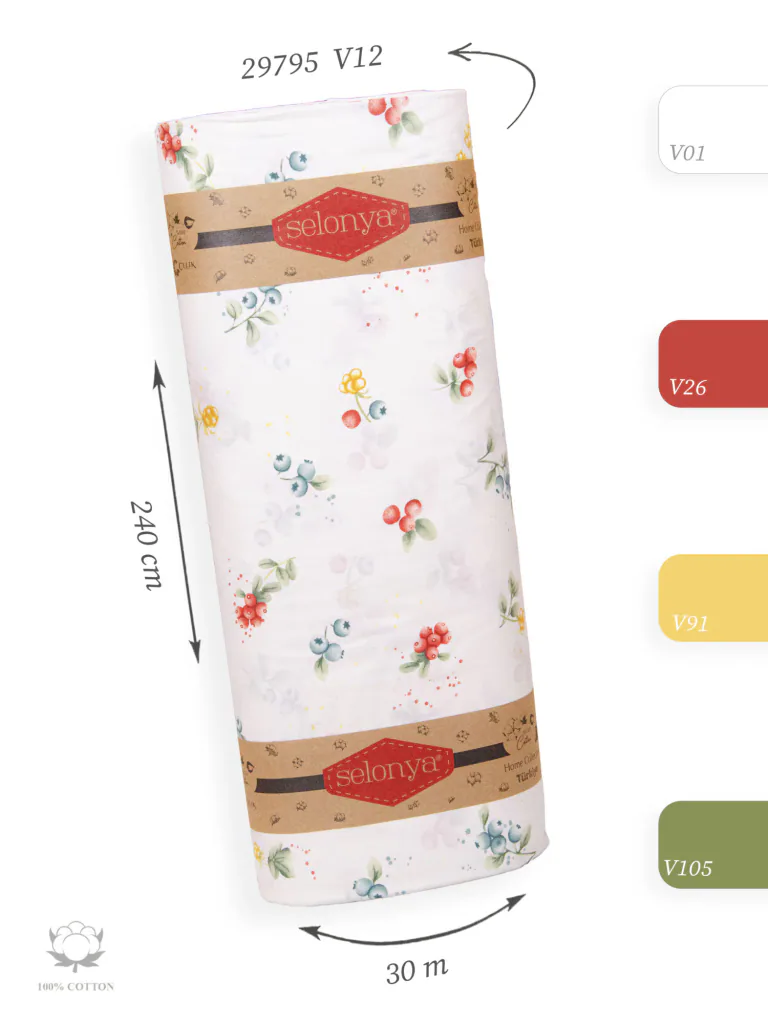
2. Muslin (100% Cotton)
Muslin is a lightweight, breathable fabric made from 100% cotton, known for its soft texture and versatility. It's commonly used in baby products, summer garments, and home textiles due to its gentle feel and high absorbency. Muslin comes in different layer configurations—1-layer, 2-layer, and 4-layer—each offering a unique balance of softness and durability. The 1-layer muslin is the lightest and most delicate, ideal for swaddles or lightweight clothing, and is available in plain solid colors or with printed patterns. As the layer count increases, muslin becomes thicker, warmer, and more absorbent, making 2-layer and 4-layer muslin perfect for items like baby blankets, burp cloths, or cozy wraps. Despite its softness, muslin maintains breathability, which makes it especially suitable for warm climates or sensitive skin.
3. Flannel (100% Cotton)
Flannel is a soft, warm fabric made from 100% cotton, known for its cozy feel and brushed surface that enhances softness and insulation. It is commonly used in cold-weather clothing such as shirts, pajamas, and loungewear, as well as in bedding like sheets and blankets. The brushing process (done on one or both sides) raises the fibers, creating a fuzzy texture that traps heat and provides excellent warmth. Despite its warmth, flannel remains breathable thanks to its cotton base, making it comfortable to wear or use indoors. Flannel is available in various weights and patterns—especially classic plaids—and offers a perfect balance of softness, durability, and thermal comfort for cooler seasons.
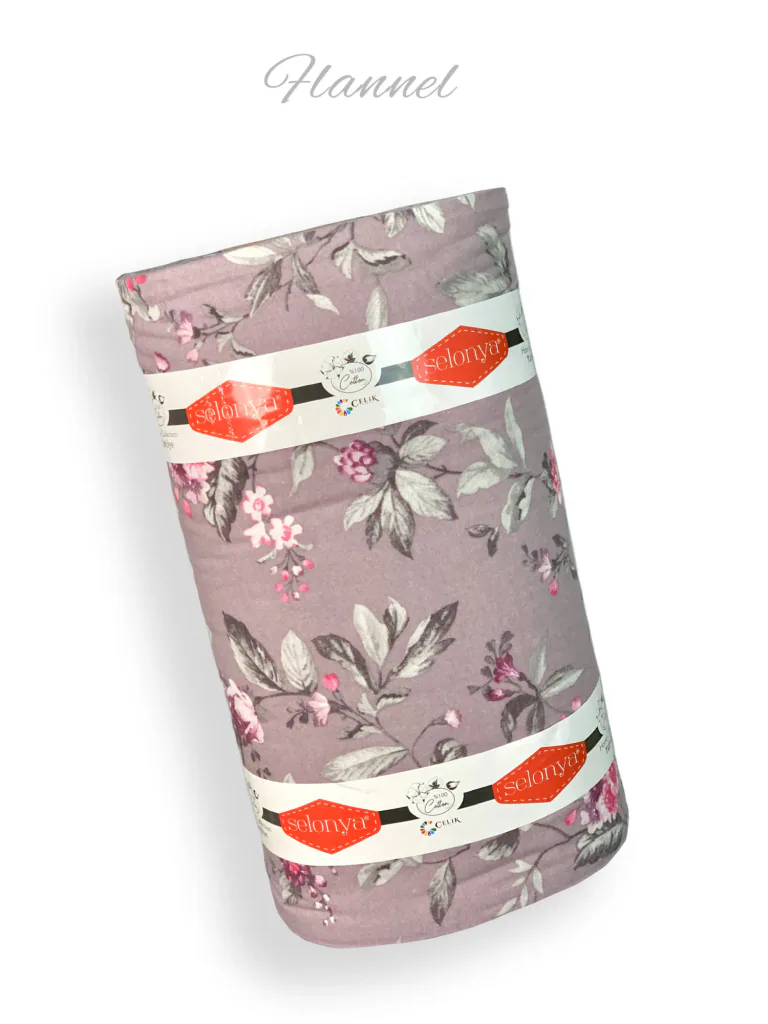
4. Cotton-Linen Blends (e.g., 70% Cotton / 30% Linen)
Cotton-linen blends combine the best of both worlds. Linen adds texture and strength, while cotton balances it with softness and comfort. A 70/30 blend is common for:
Premium shirts
Summer dresses
High-end bedding
Benefits:
Enhanced durability compared to 100% cotton
Better breathability
A natural, textured look
Wrinkles less than pure linen but retains some of its cool feel
However, cotton-linen fabrics are typically more expensive due to the cost of linen and their high-end appeal.

5. Cotton vs. Polyester: A Key Comparison
Cotton and polyester are two of the most common fibers in the textile world—one natural, the other synthetic. Blending them allows for a balance between comfort and functionality.
Feature — Cotton — Polyester
Breathability — Excellent — Poor
Moisture Absorption — High — Low (hydrophobic)
Softness — Very soft — Can feel less natural
Durability — Strong but can wear over time — Very durable
Wrinkle Resistance — Low — High
Shrinkage — Shrinks in hot water — Does not shrink easily
Sustainability — Biodegradable — Not biodegradable
Cost — Higher — Lower
6. Effect of Cotton vs. Polyester Ratios
The ratio of cotton to polyester in a fabric changes its behavior significantly:
More Cotton (e.g., 80/20 cotton/polyester)
Feels more natural
Breathable and soft
Less wrinkle resistant, more prone to shrinking
More Polyester (e.g., 20/80 cotton/polyester)
More durable and wrinkle-resistant
Less breathable, can trap heat
Easier to care for (no ironing needed)
7. Common Fabrics with Cotton-Polyester Blends
Here are some fabrics that commonly feature both cotton and polyester:
Muslin Pique: %90 Cotton - %10 Polyester
Duck: %70 Cotton - %30 Polyester
Dobby (Armoured): %80 Cotton %20 Polyester
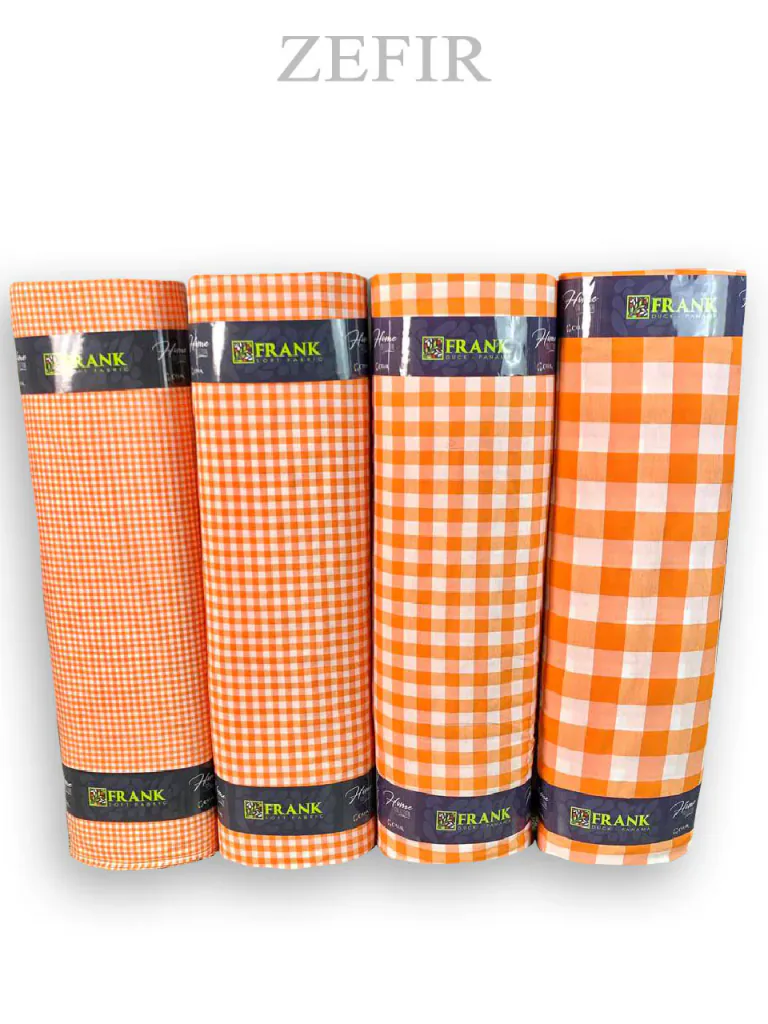
Zephyr fabric: %40 Cotton %60 Polyester
Polycotton: %70 Cotton %30 Polyester
Conclusion
Cotton, whether used alone or blended, remains a cornerstone of the fabric world. While 100% cotton options like Ranforce and Poplin offer breathability and comfort, blends with linen add luxury, and polyester mixes offer performance and durability. Choosing the right cotton-blend fabric depends on the desired balance between natural comfort and functional performance.
Keep reading

Articles1 October 2026
How Is Muslin Fabric Made? From Cotton Yarn to Finished Fabric
Muslin looks like a simple fabric, but there is quite a lot of work between a bale of cotton and the finished fabric you see in a fabric shop. The process begins with cotton fiber. The fiber is cleaned and prepared, s…
Çelik Tekstil · 9 min read

Articles23 September 2026
Flannel Fabric: Children's Room Fabric Designs
When selecting fabrics for children's room textiles, factors such as softness, comfort, suitability for the season, and intended use are key considerations. Thanks to its soft texture and heat-retaining properties, fl…
Ahmet · 5 min read

Articles16 September 2026
What Does Flannel Fabric Mean?
Flannel fabric (also known as Flannelette) is a type of fabric preferred especially in cool weather due to its soft texture and warm structure. Generally produced from cotton or wool yarns, flannel fabric offers comfo…
Ahmet · 3 min read