


Flannel Fabric: Children’s Room Fabric Designs
When selecting fabrics for children’s room textiles, factors such as softness, comfort, suitability for the season, and intended use are key considerations. Thanks to its soft texture and heat-retaining properties, flannel is a fabric often chosen for children’s textile products, particularly during the autumn and winter months.
Suitable for use in items such as children’s bed linen, blankets, pajamas, shirts, and various decorative textile products, flannel complements children’s rooms with its wide range of colors and patterns.
What Is Flannel Fabric?
Flannel is a soft, warm fabric with a slightly fuzzy surface. It is typically made from fibers such as cotton or wool. The fabric’s softness and warmth can vary depending on the fibers used, the weight, the weave structure, and the manufacturing process.
Cotton flannel, in particular, is frequently chosen for textile products that come into contact with the skin due to its soft texture. However, it should be noted that not all flannel fabrics share the same characteristics.
For Which Age Groups Is Flannel Suitable?
There is no specific age limit for flannel fabric. Fabrics with the appropriate characteristics can be used for various age groups, ranging from infants to older children.
For infants and young children—especially regarding products that come into direct contact with the skin—it is important to be informed about the fabric’s fiber content, manufacturing specifications, and the dyes used. Consideration should also be given to ensuring the product is suitable for its intended use and the specific age group.
Where Can Flannel Fabric Be Used in a Child’s Room?
Thanks to its various thickness and weight options, flannel fabric can be used in a wide range of children’s textile products.
- Children’s bedding: Offers comfort in cool weather thanks to its soft surface.
- Blankets: Thicker flannel fabrics help provide warmth.
- Pajamas: A great choice, especially for the autumn and winter months.
- Shirts: Flannel shirts can be incorporated into children’s autumn outfits.
- Dresses: Flannel fabrics of the appropriate weight are suitable for children’s dresses.
- Bedspreads and covers: Can be used for textile items that complement the children’s room décor.
The thickness and weight of the fabric are important factors regarding the product and season for which it will be used.
Is Flannel Fabric Healthy for Children?
The suitability of flannel fabric for children depends on more than just the name of the fabric itself; factors such as fiber type, the manufacturing process, and the dyes or surface treatments used must also be considered.
Cotton flannel is a popular choice for children’s textiles due to its natural fiber content. However, it is advisable to check the fabric composition and manufacturer details, especially for children with sensitive skin.
For items that come into direct contact with the skin—such as bed linen, pajamas, and similar products—it is important to choose items from reliable manufacturers and to follow the care instructions.
Does Flannel Fabric Make You Sweat?
Whether flannel fabric causes sweating depends on the fabric’s thickness, fiber content, weave structure, and the ambient temperature.
Since thick flannel fabrics retain more heat, they can feel warmer in hot weather. Therefore, thinner and lighter flannel fabrics may be preferred during the summer months.
Cotton flannel can be more comfortable than certain synthetic fabrics due to its moisture-absorbing properties. However, especially in hot and humid weather, lighter fabric options should be considered instead of thick flannel.
In Which Season Is Flannel Used?
Flannel fabric is primarily preferred during the autumn and winter months. Its heat-retaining properties make it suitable for children’s textile products used in cool weather.
Lighter-weight flannel fabrics, on the other hand, can be used during cool spring days or summer evenings. Therefore, when selecting the fabric, one should consider not only the season but also the product’s weight and thickness.
Flannel Fabric Designs for Children
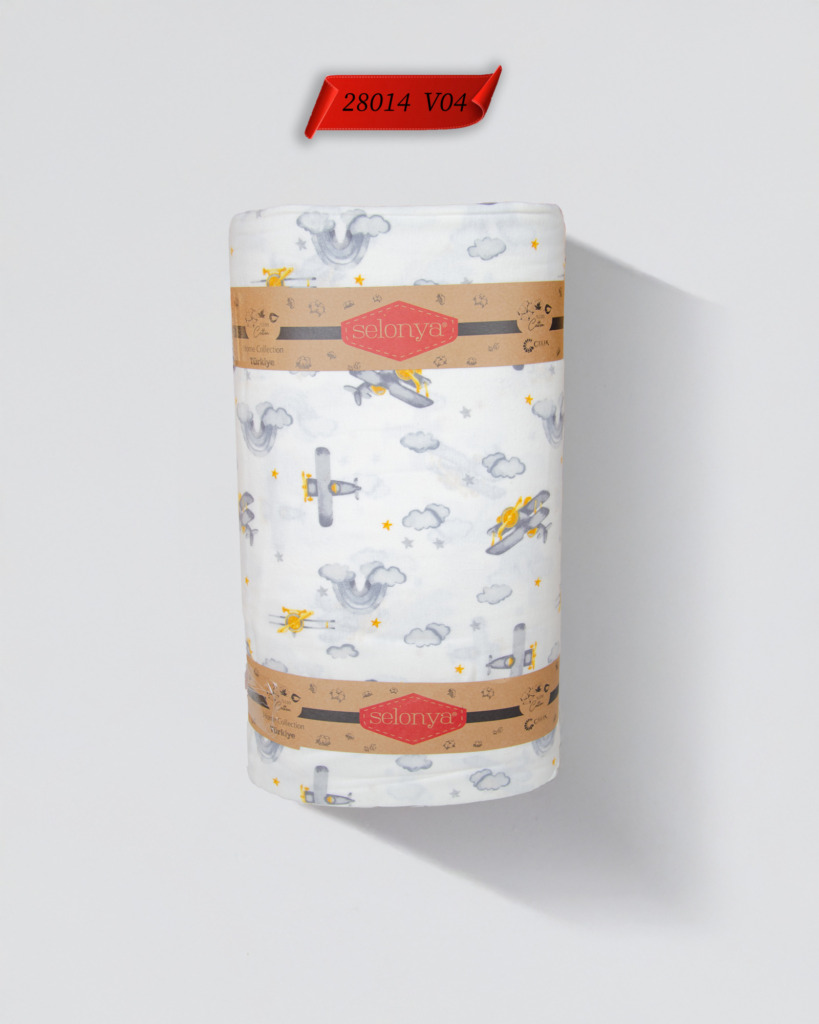
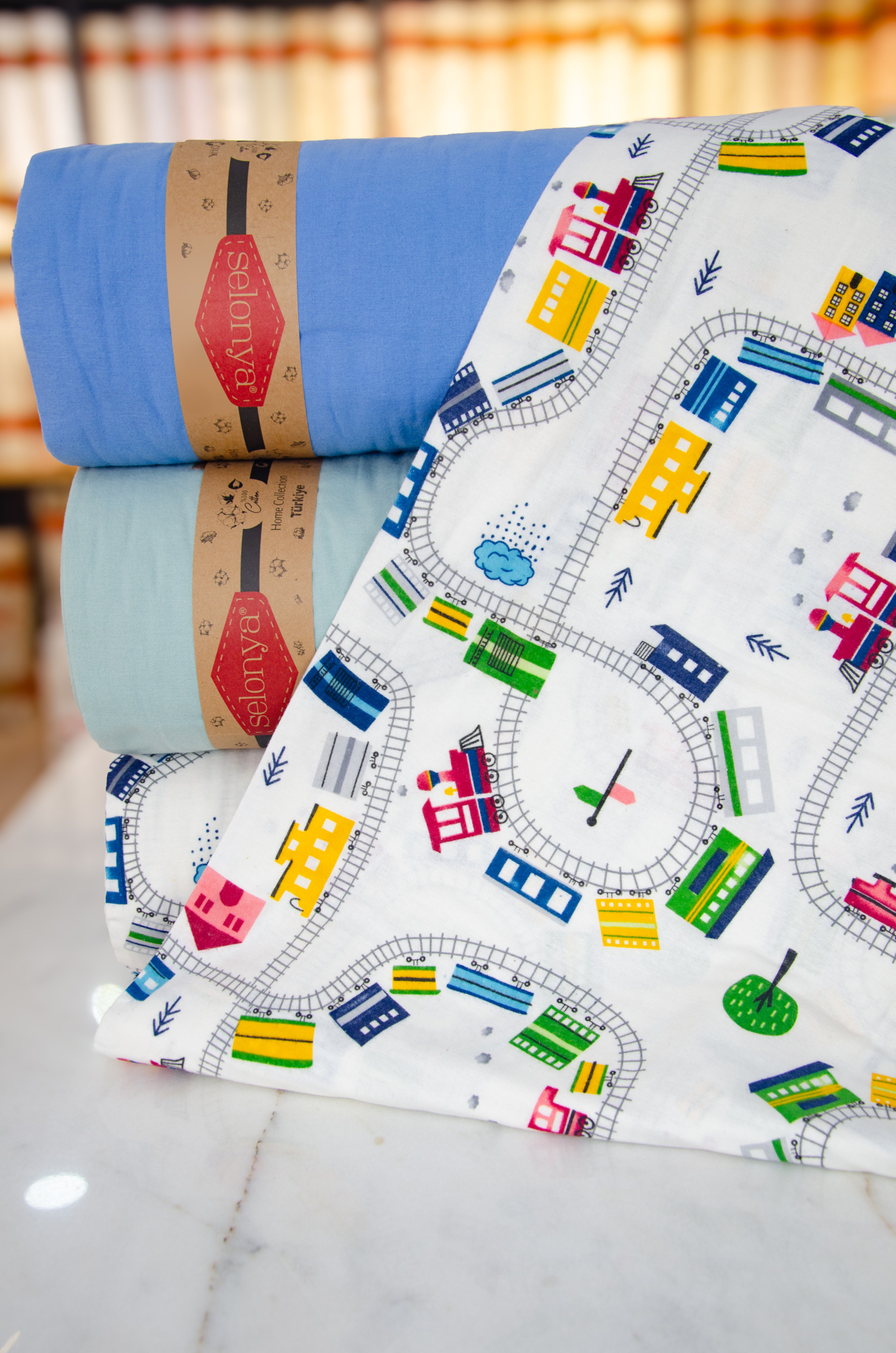
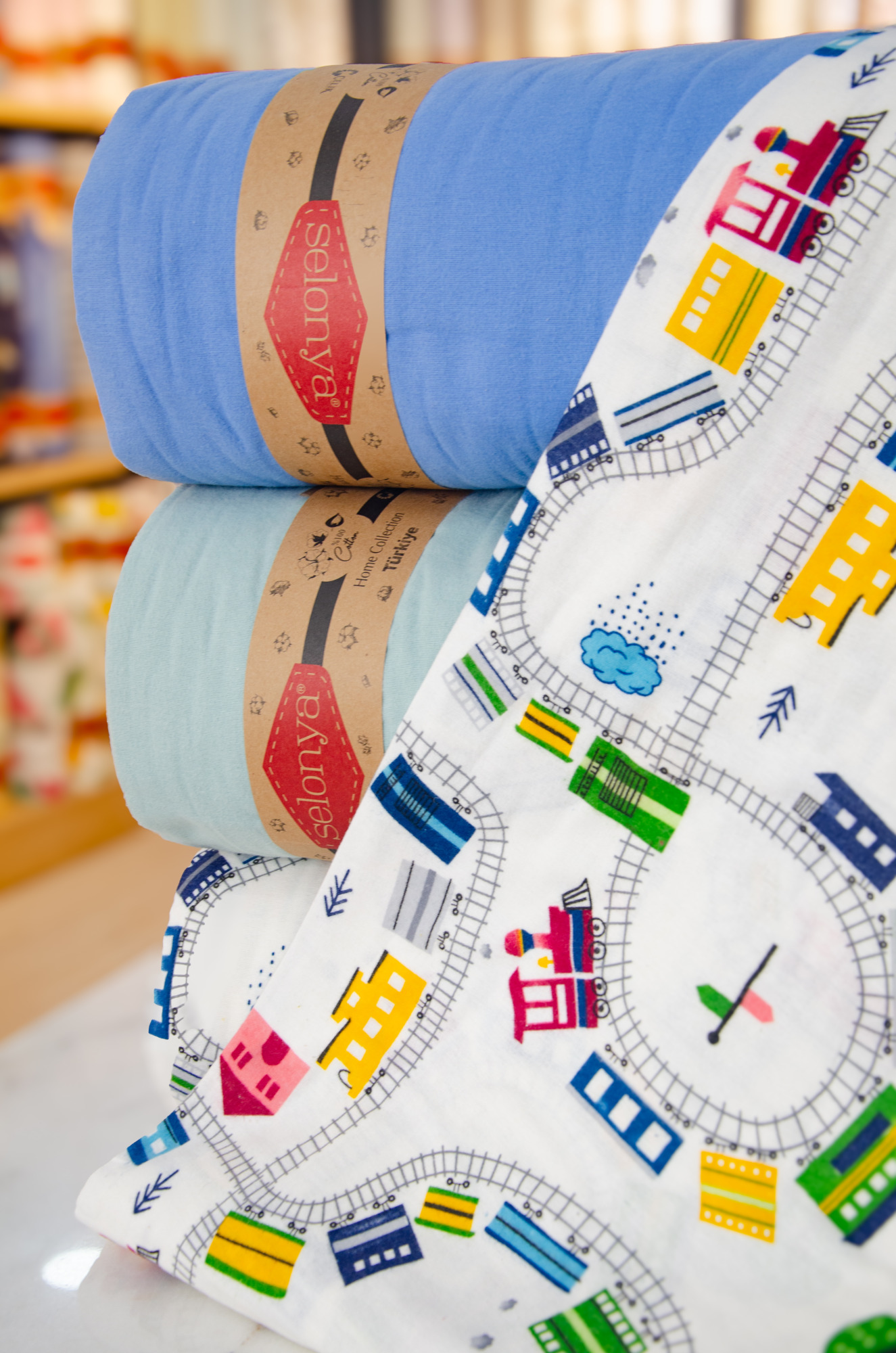
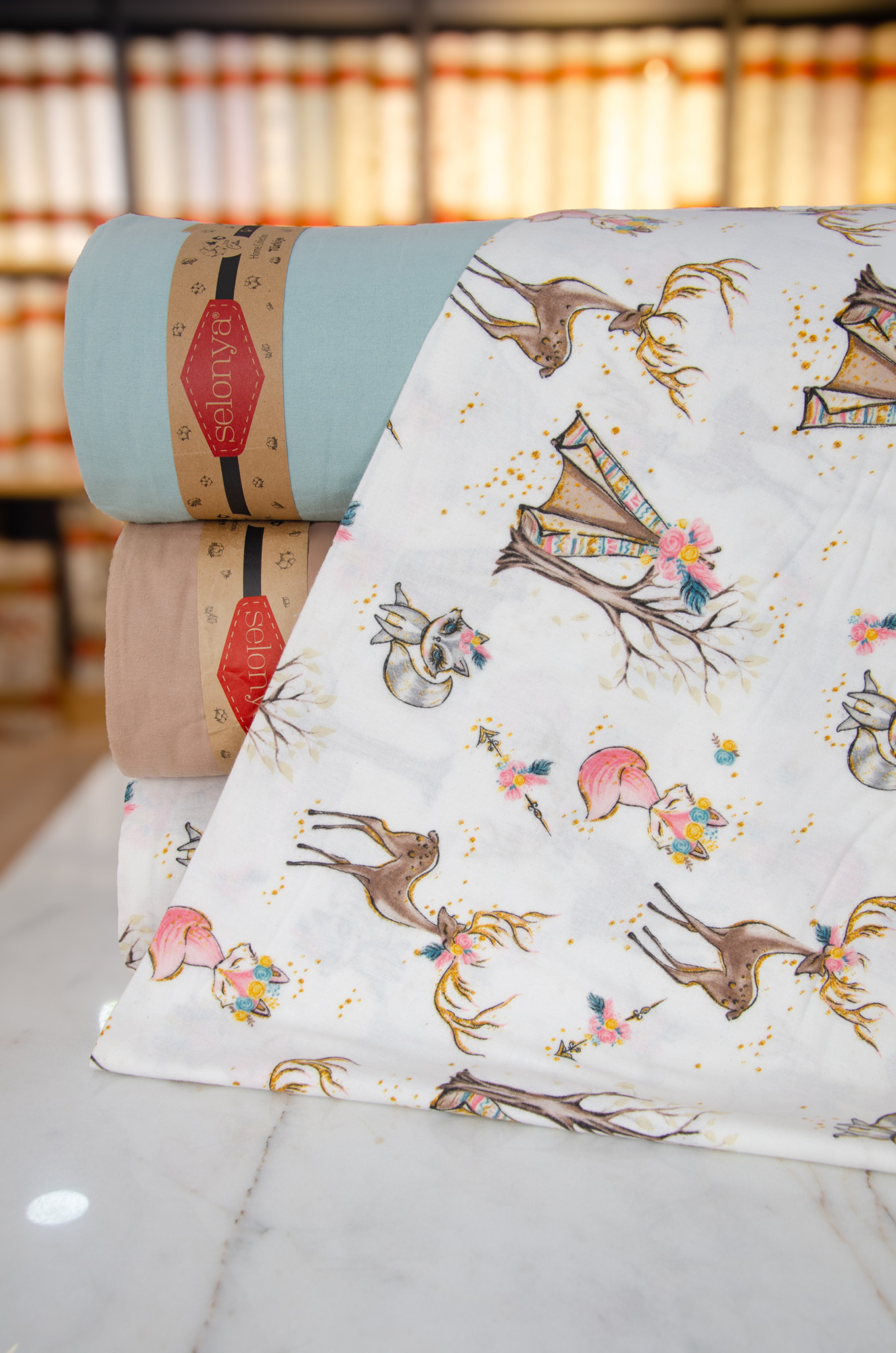
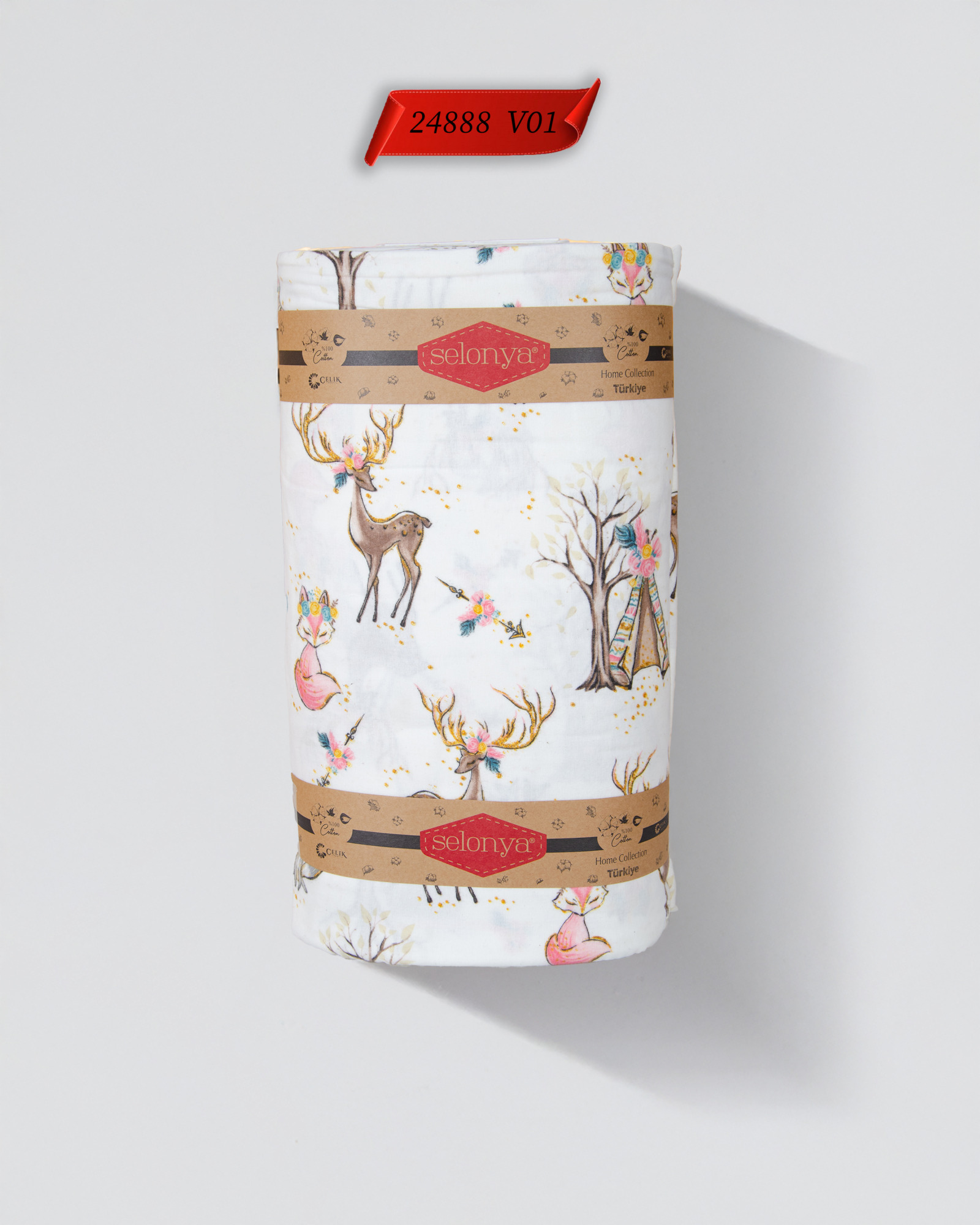
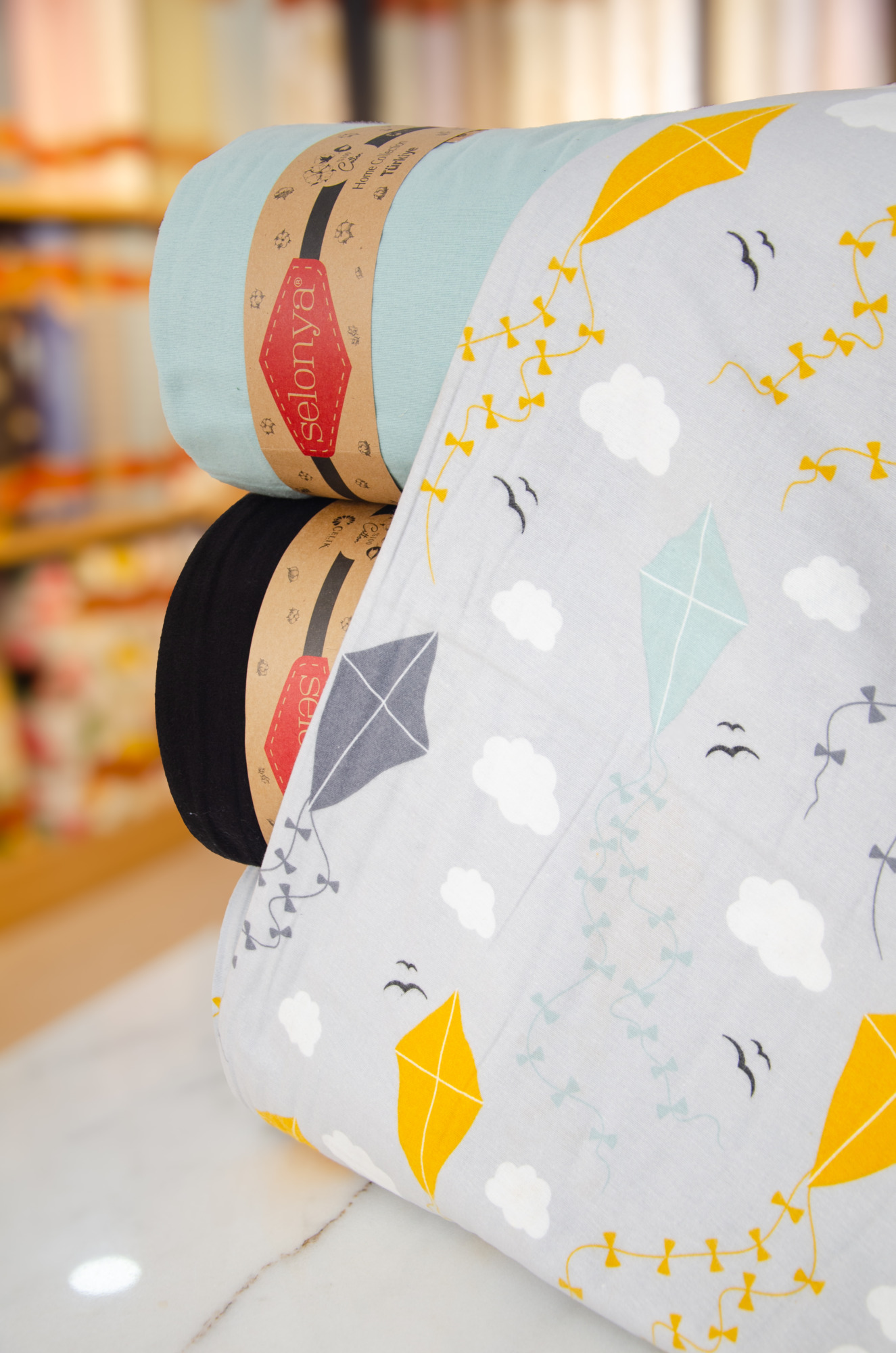
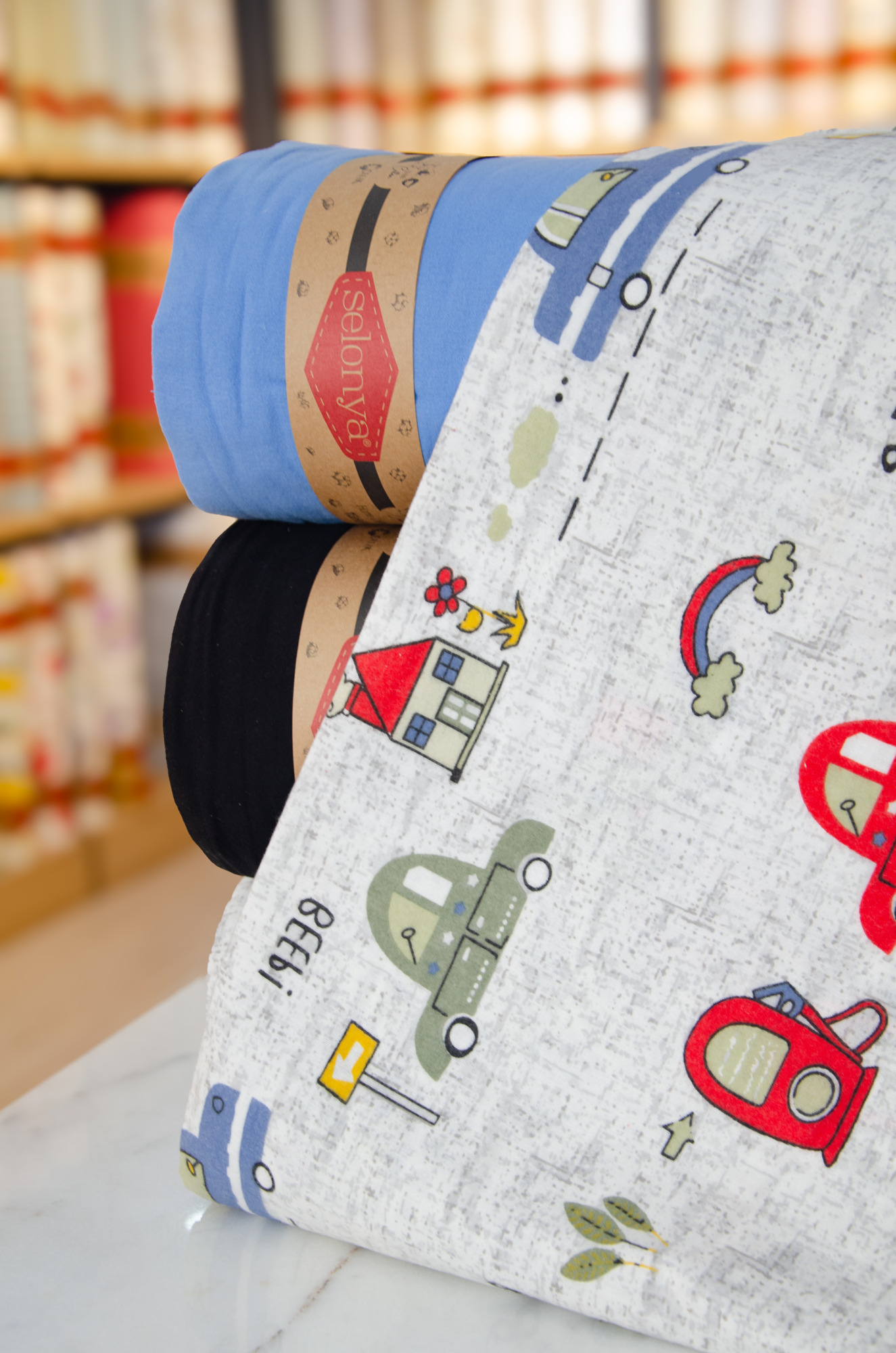
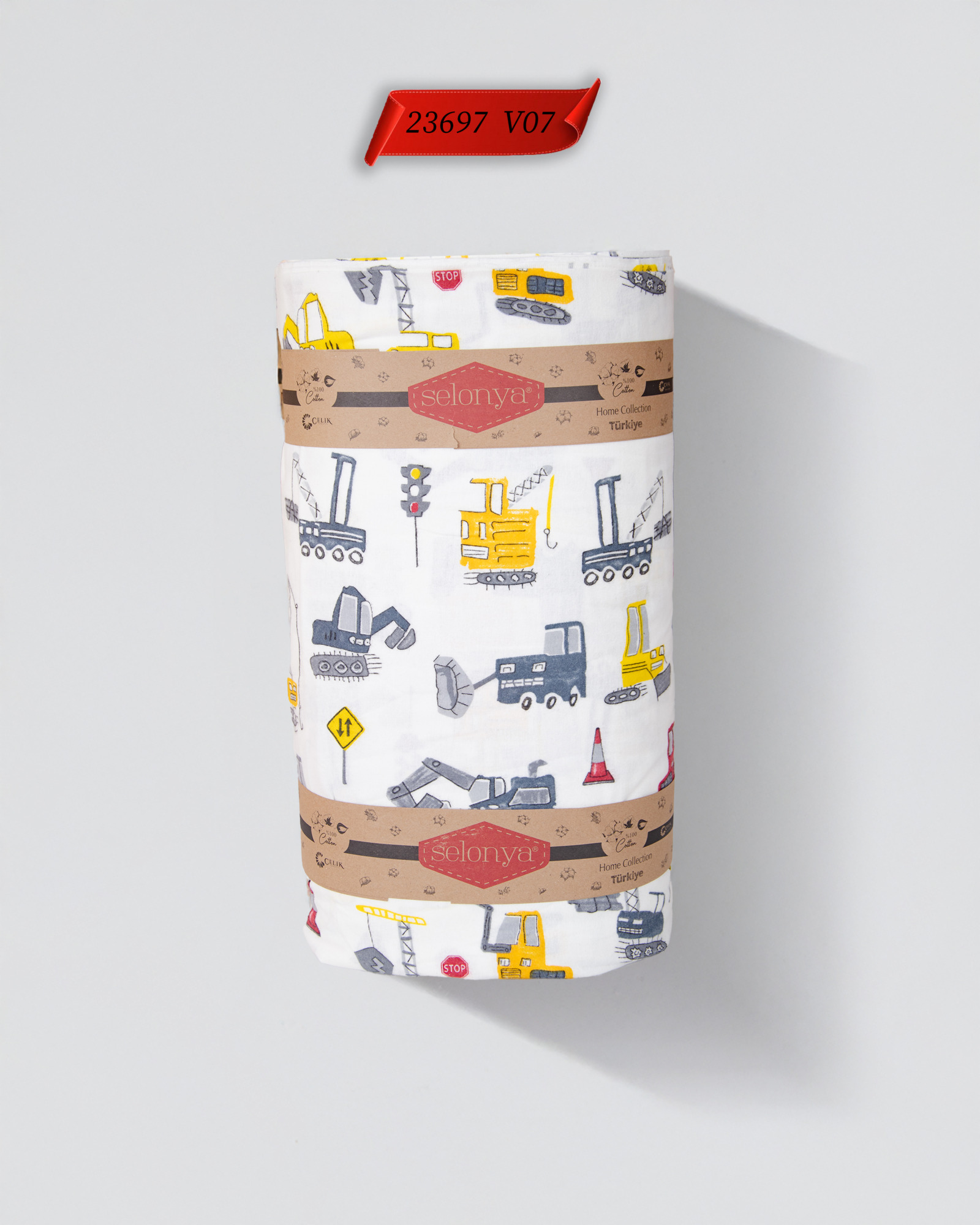
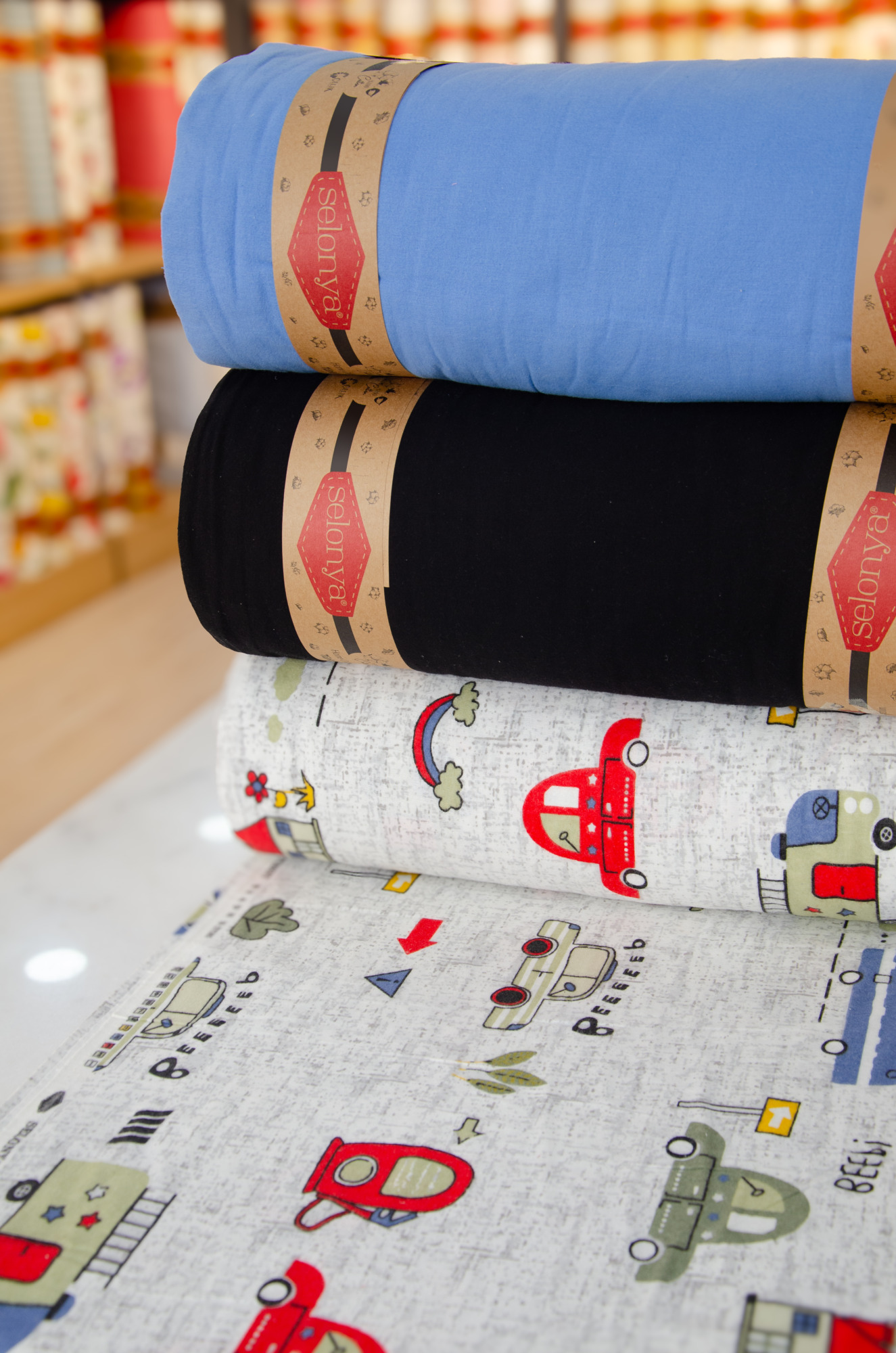
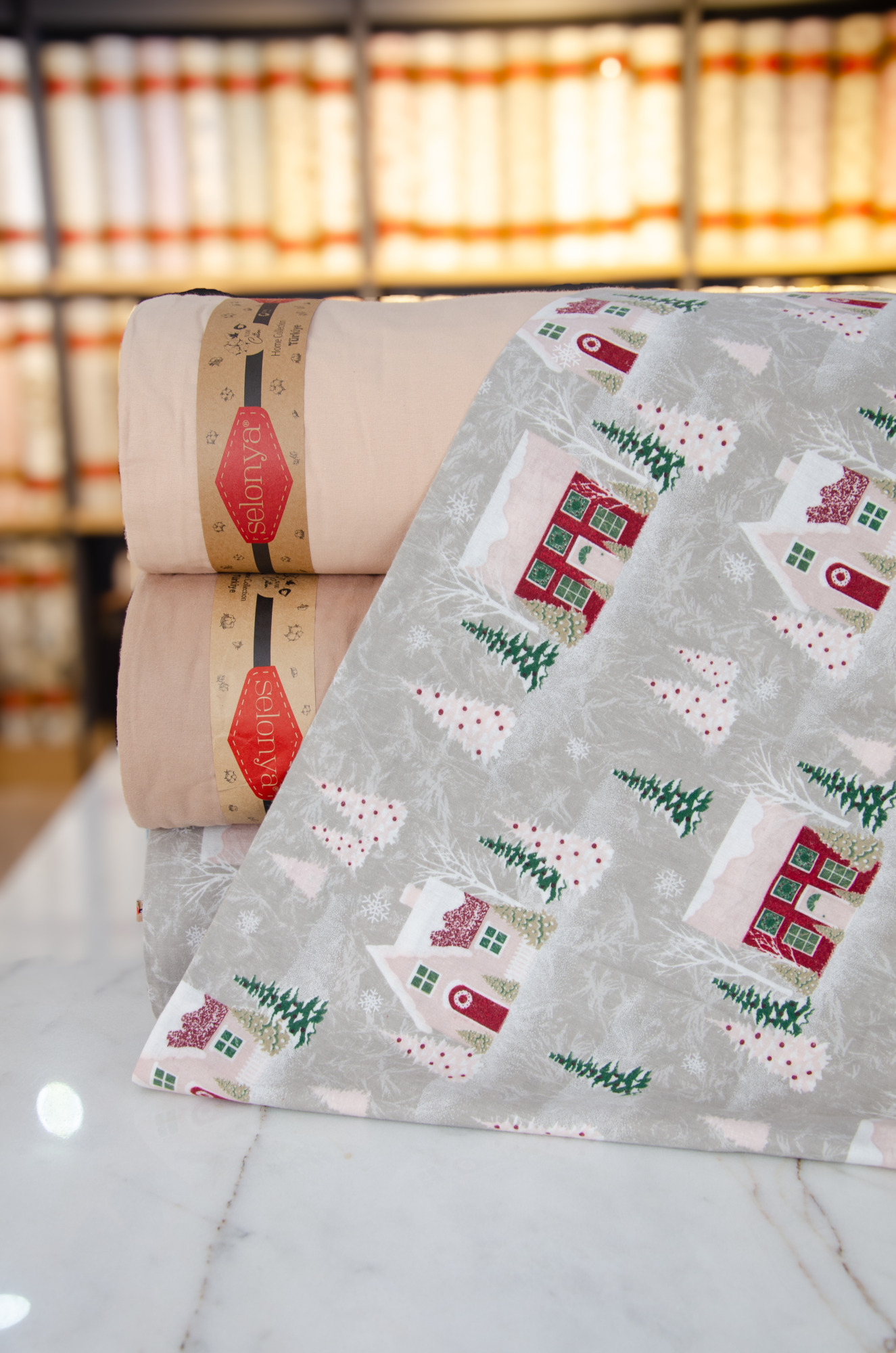
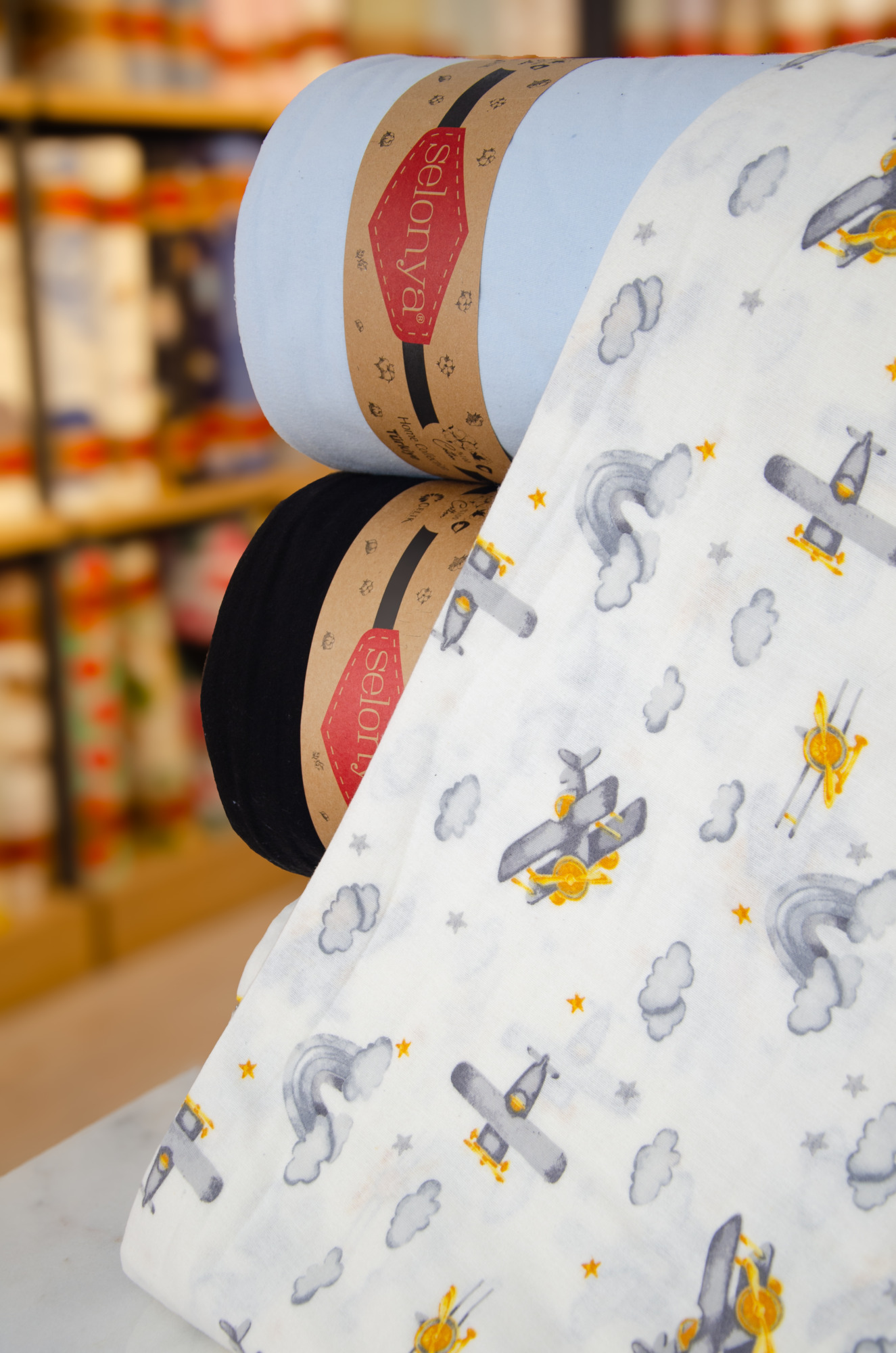
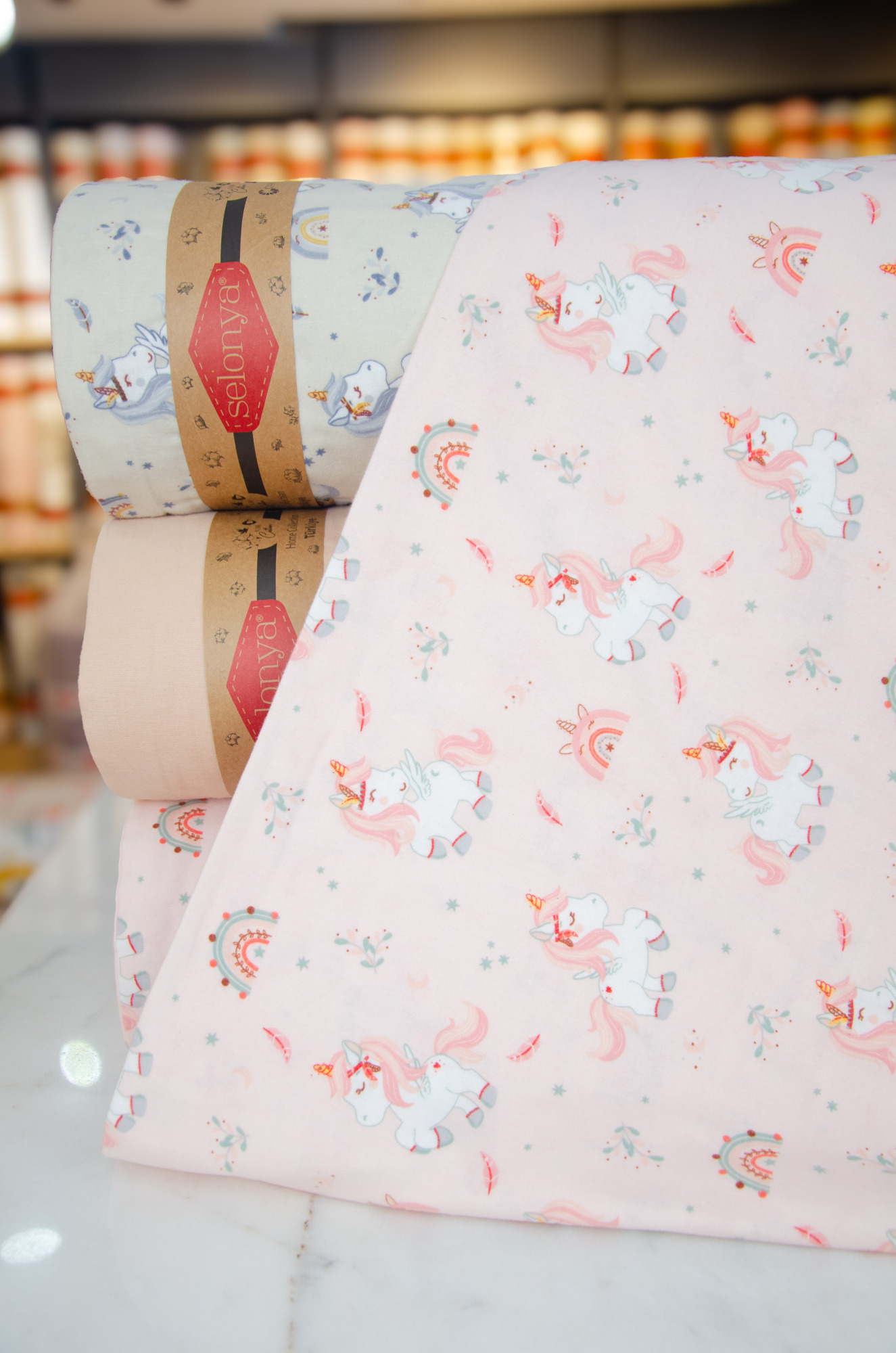
In children’s textiles, flannel fabrics are available in a variety of colors and patterns. Depending on the overall décor of the child’s room, one might choose simple, colorful, or themed designs.
Among the most popular design ideas are:
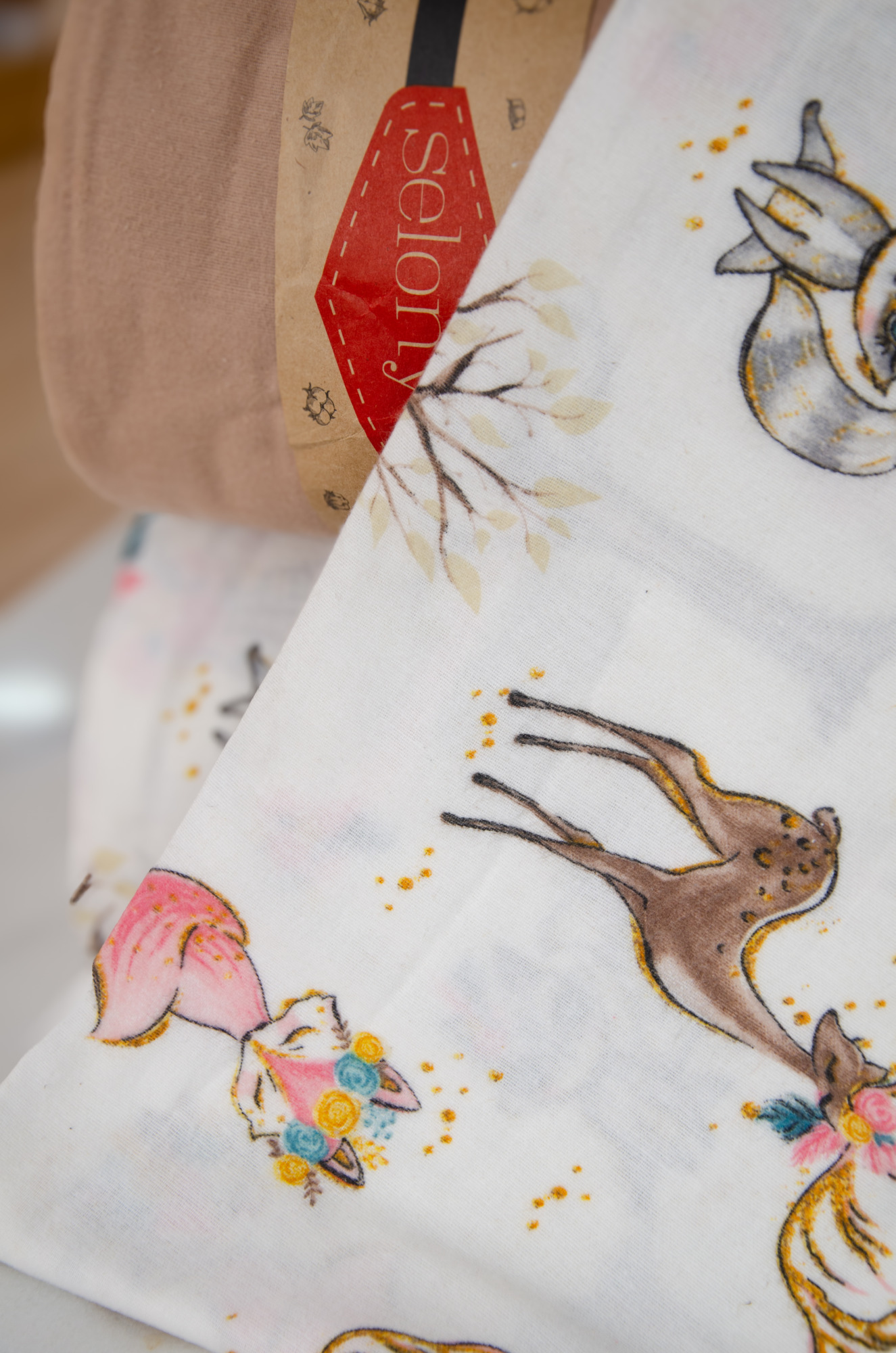
- Animal figures
- Dinosaur patterns
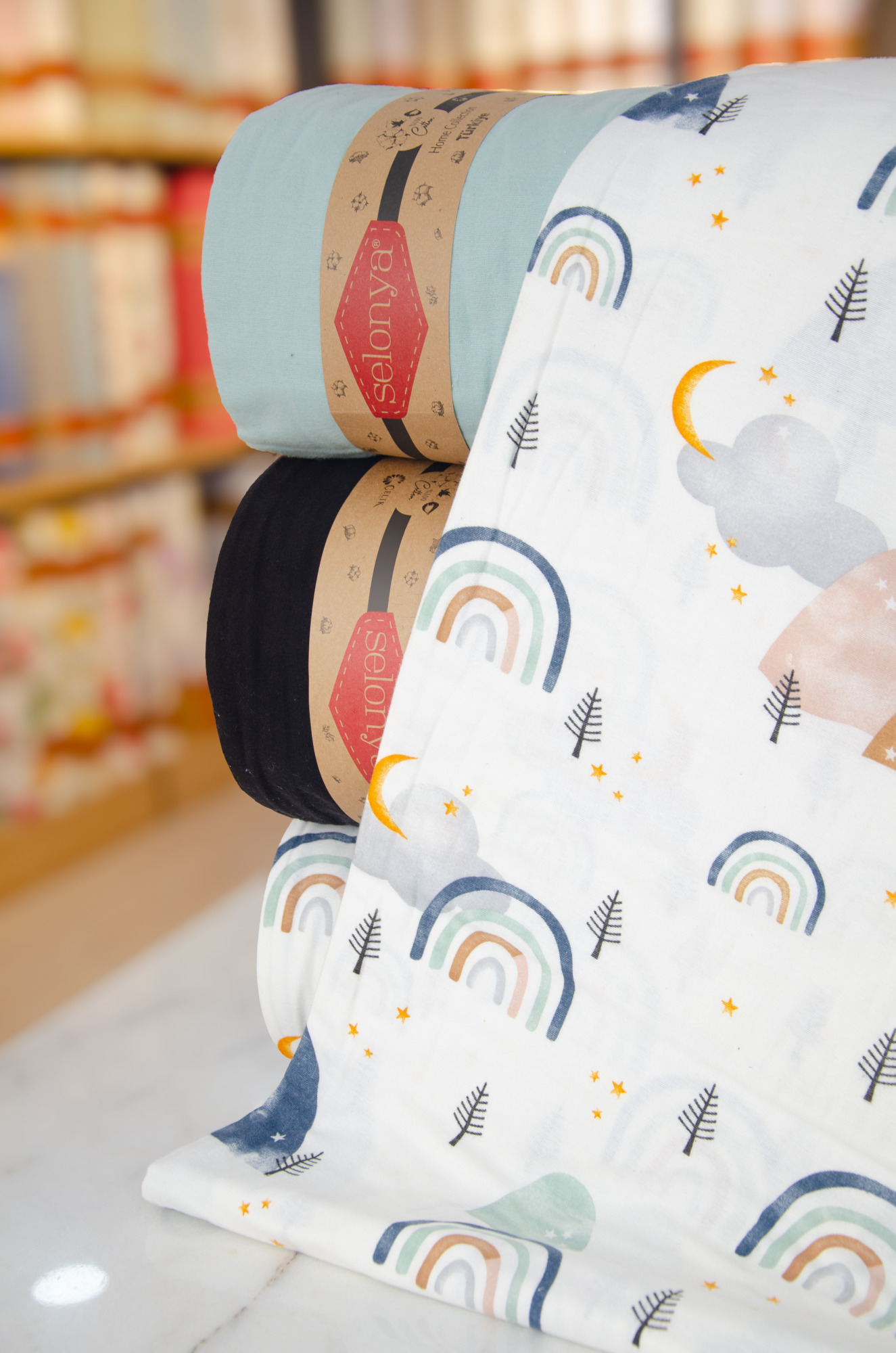
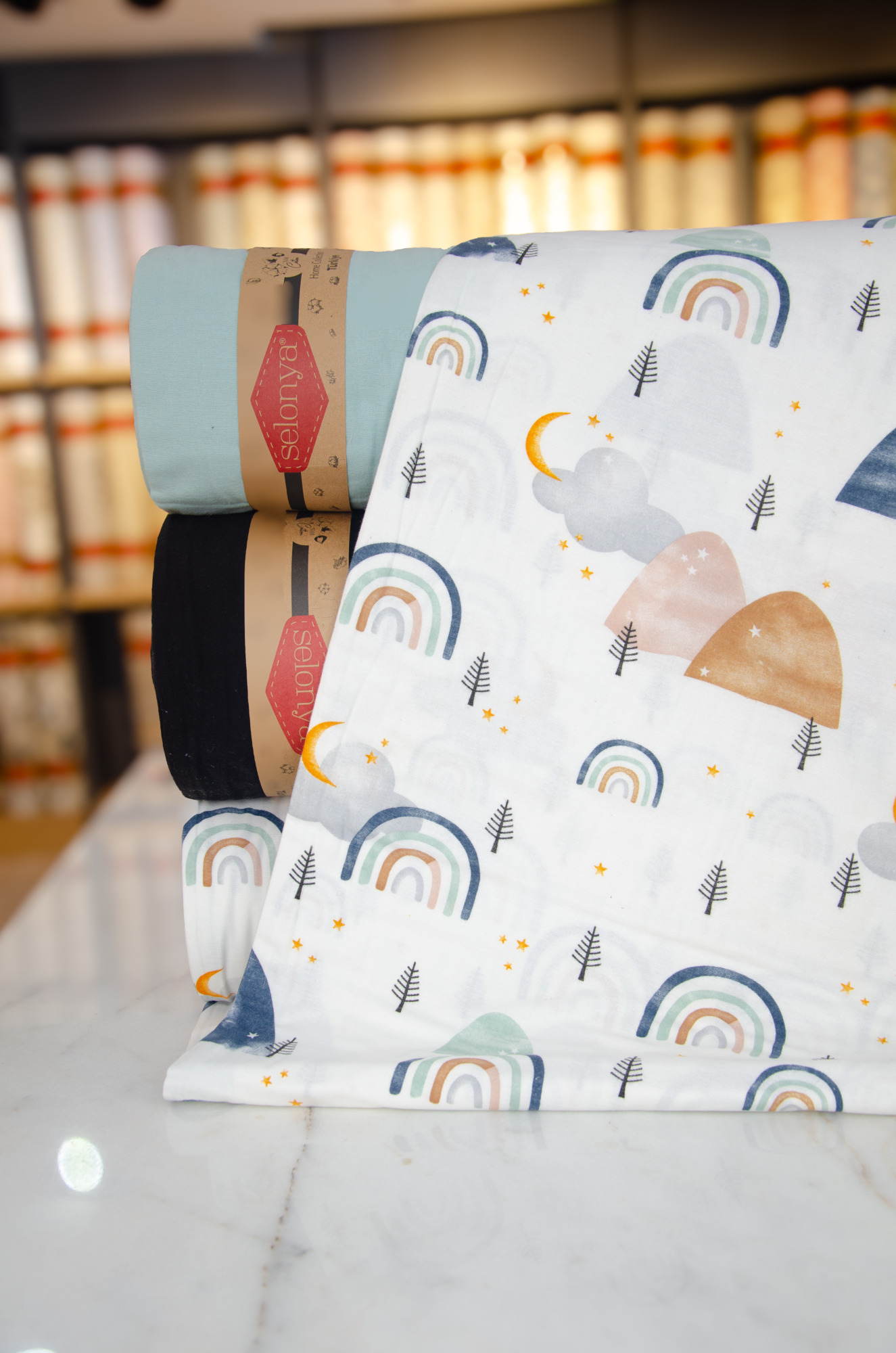
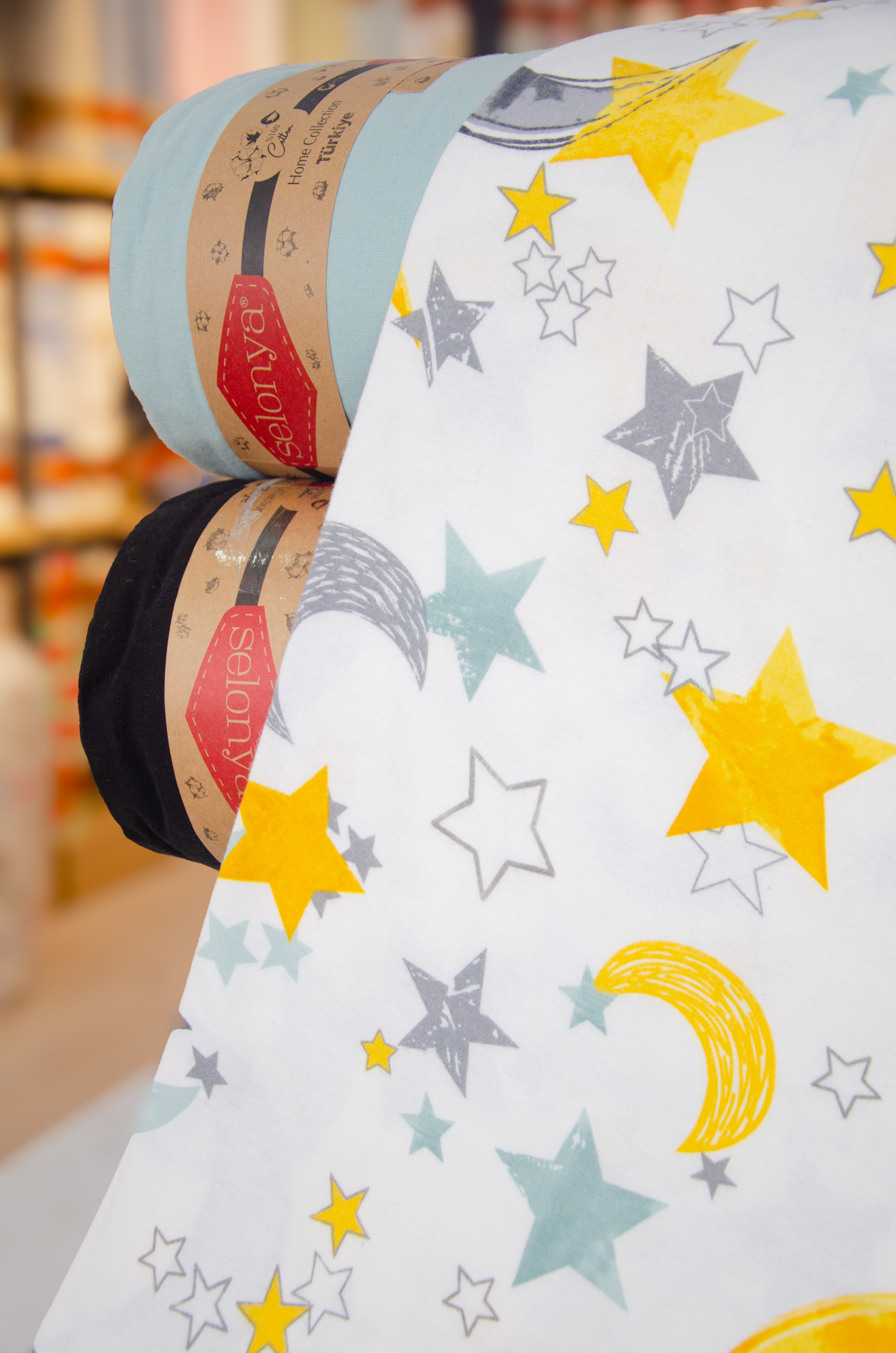
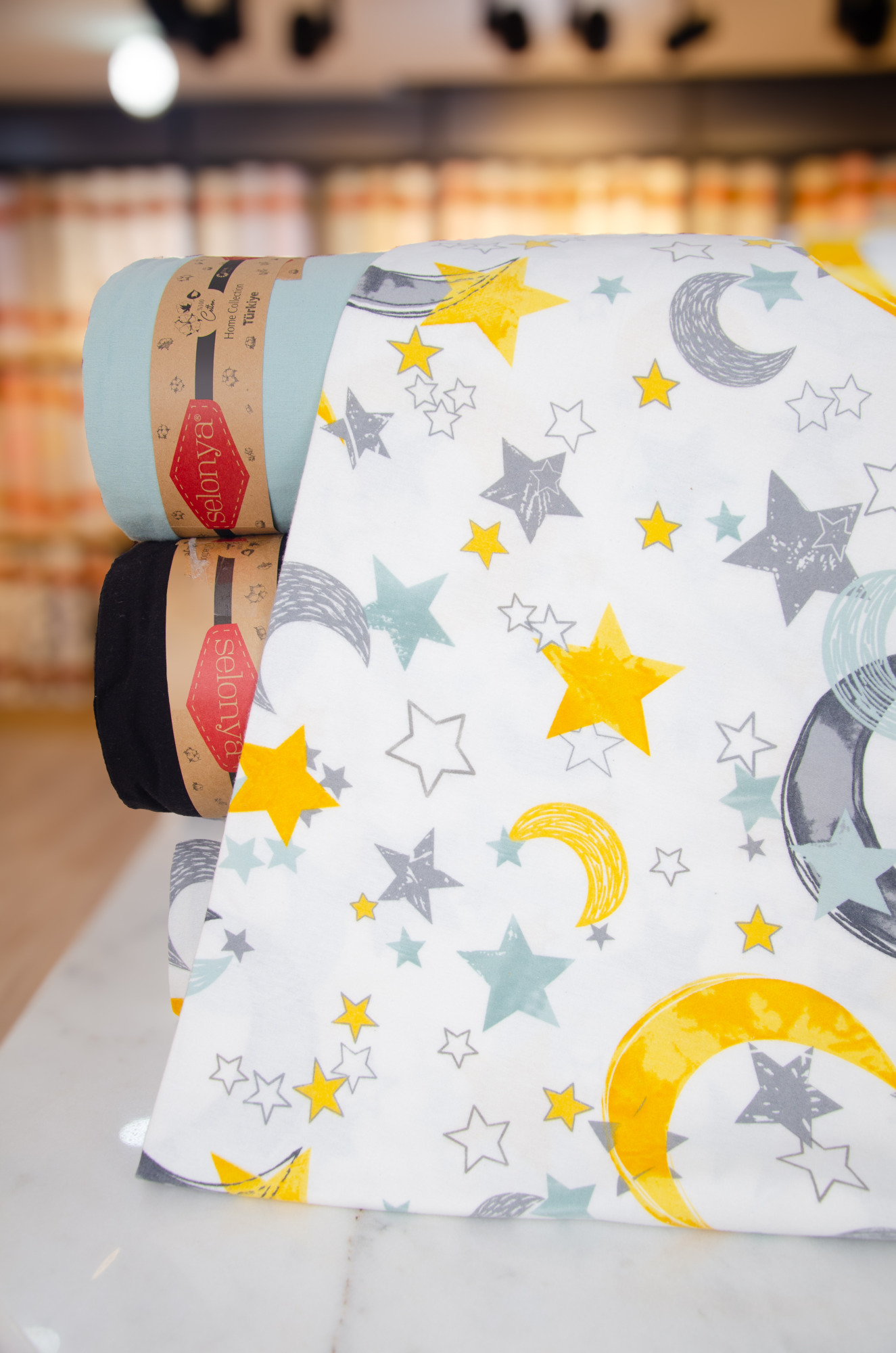
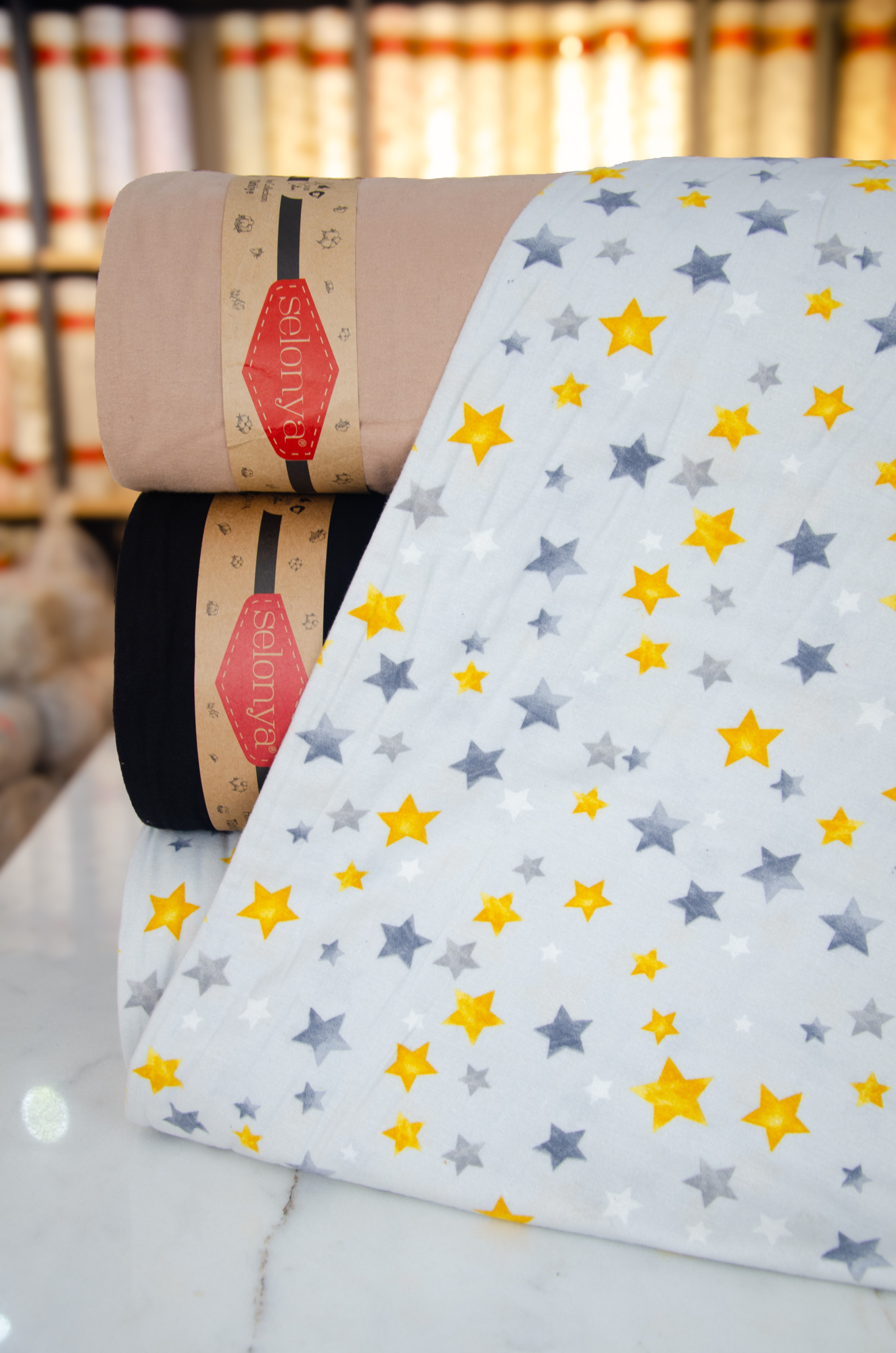
- Star and moon themes
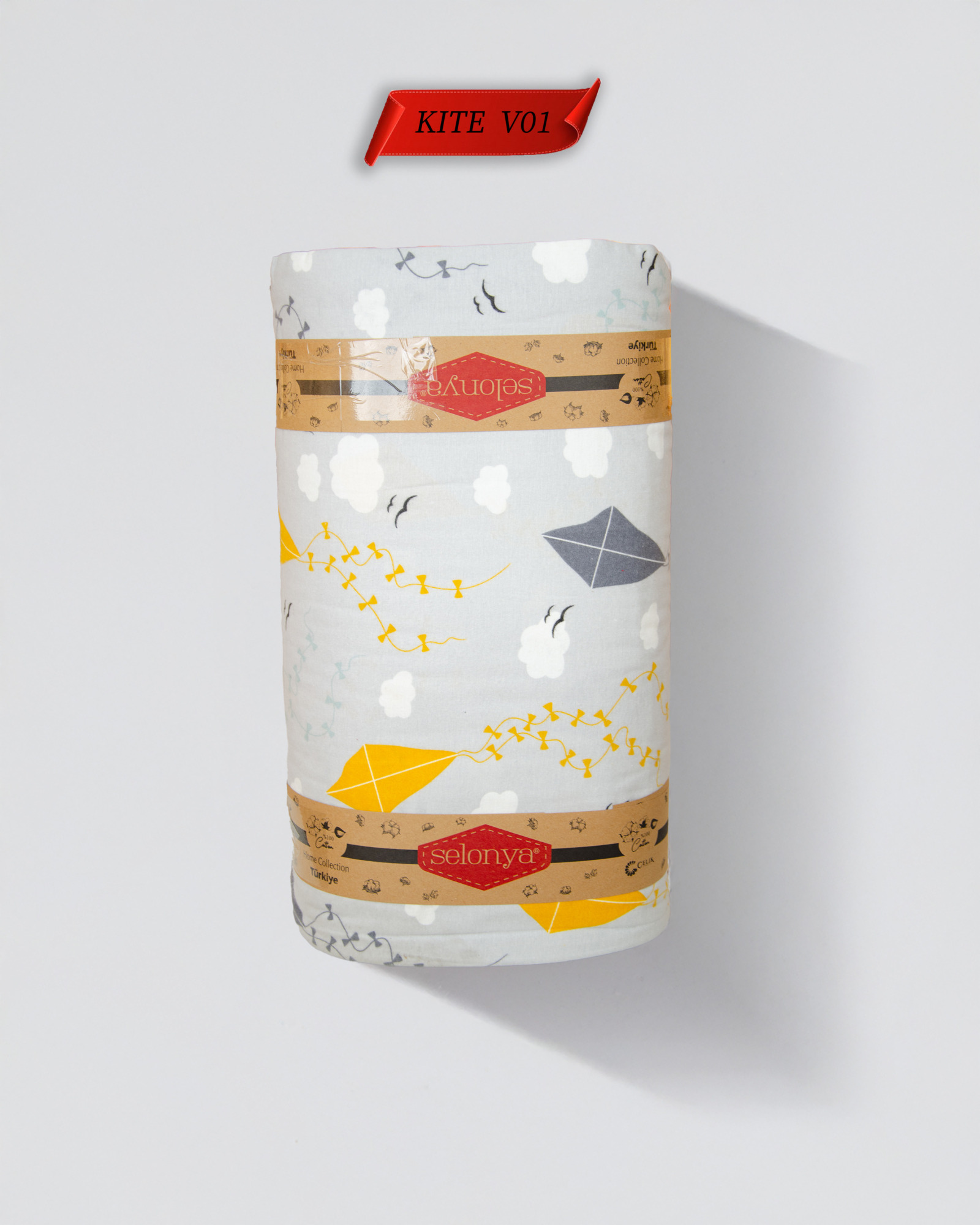
- Cloud and sky patterns
- Space themes
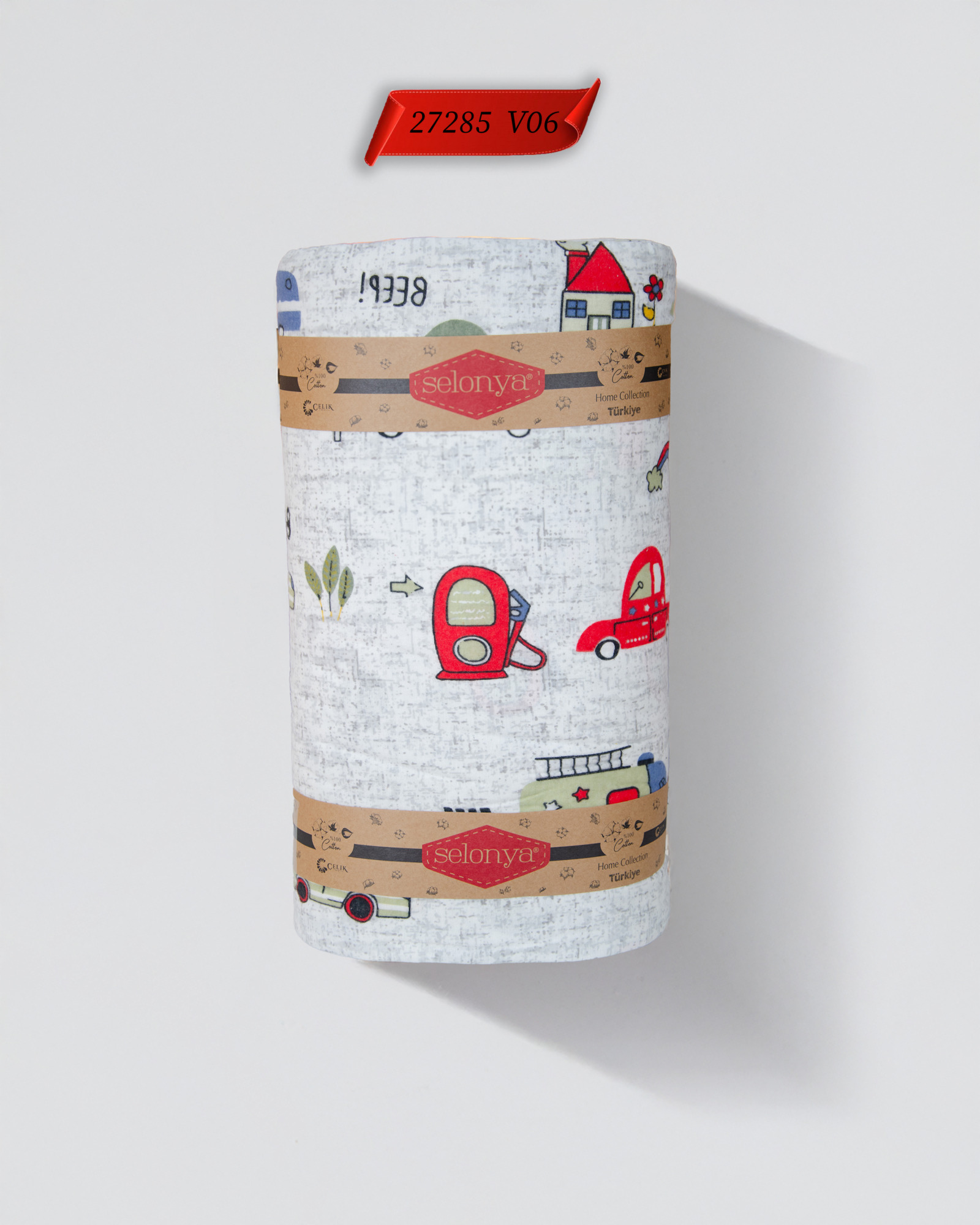
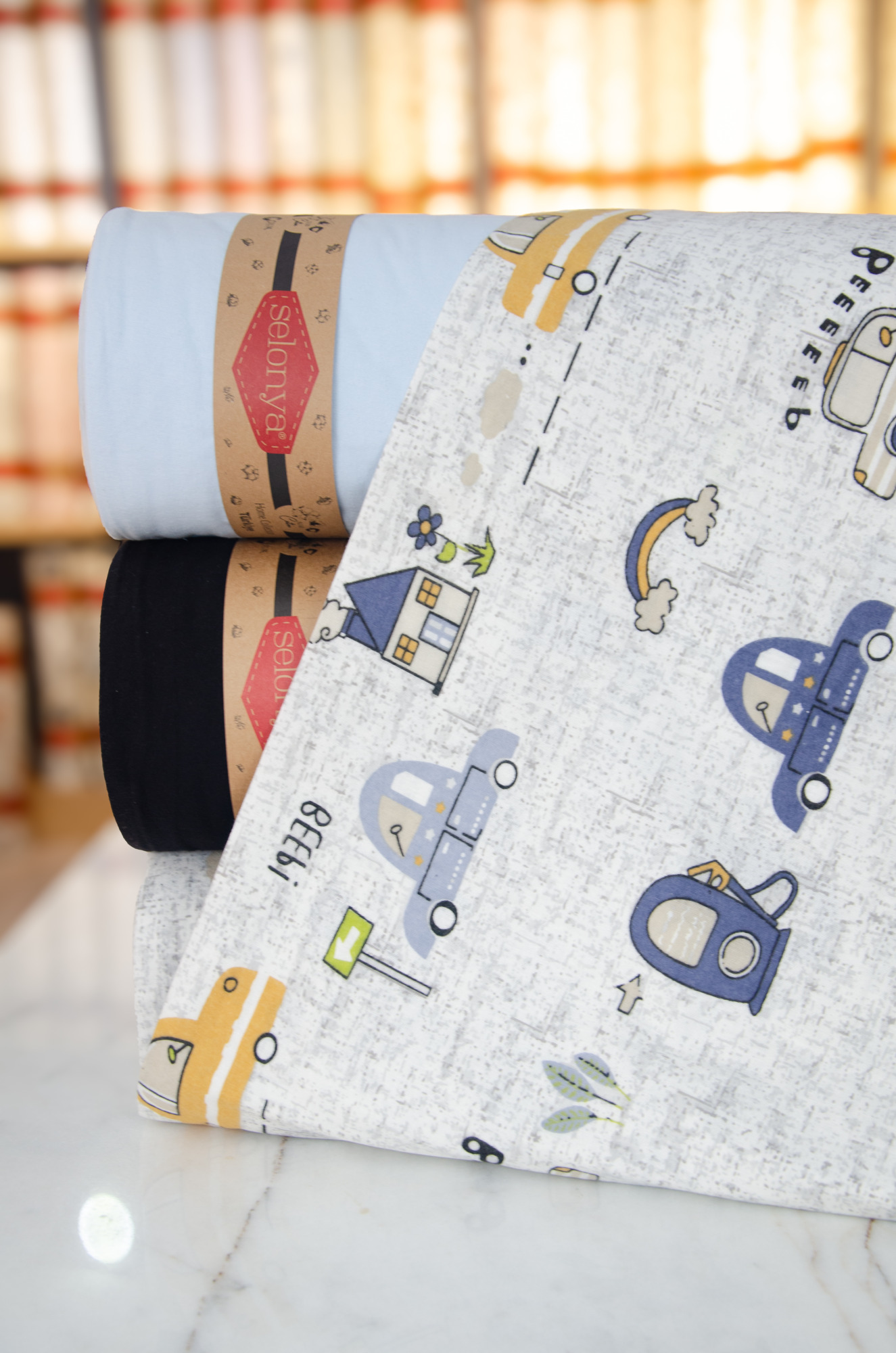
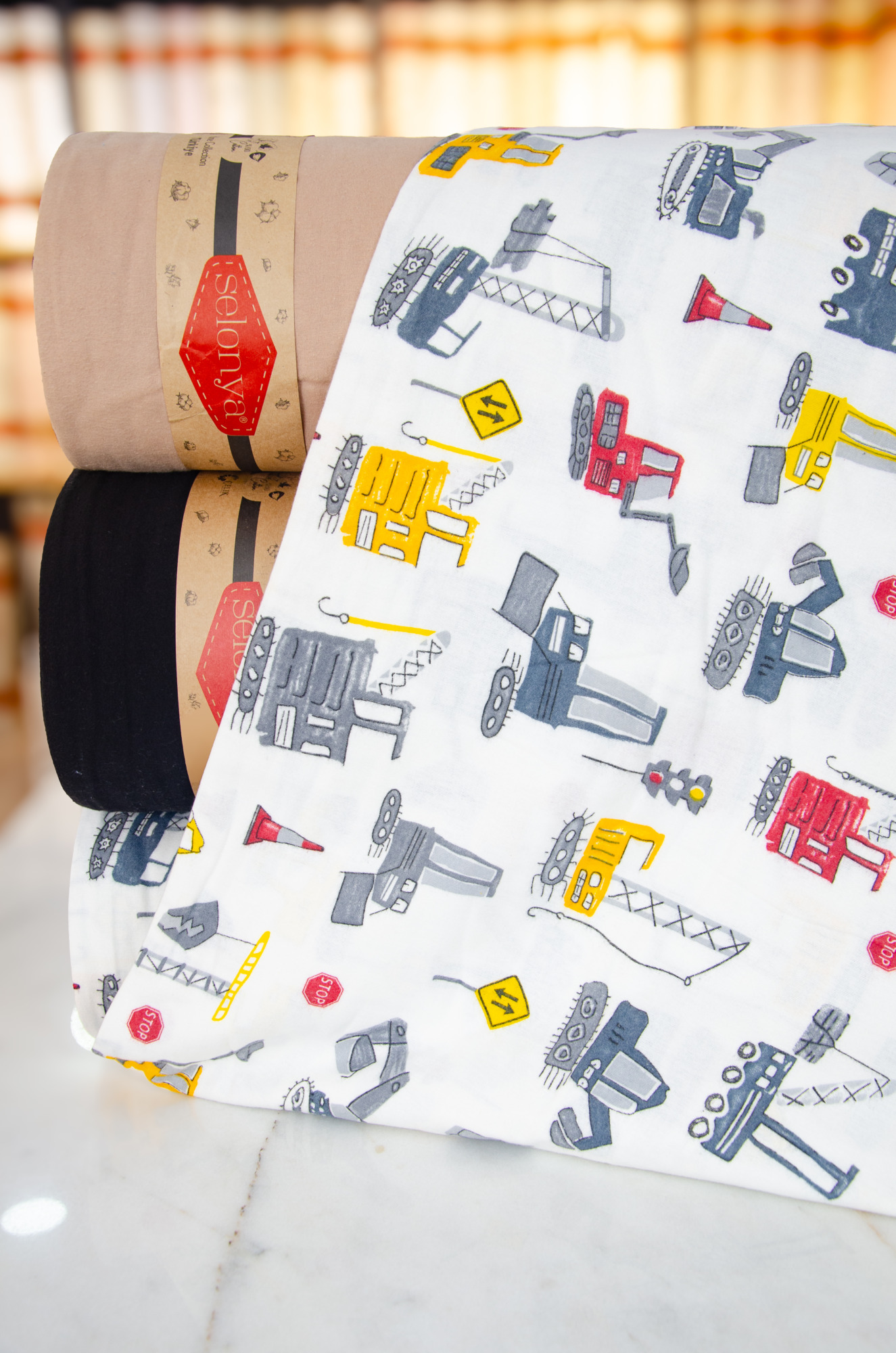
- Car and vehicle patterns
- Floral and nature patterns
- Sea creatures
- Safari and jungle themes
- Geometric and minimal patterns
These patterns can be used on a variety of products, ranging from children’s bed linen and blankets to pajamas, decorative pillows, and cushion covers.
What Should Be Considered When Choosing Flannel Fabric for a Child’s Room?
When selecting flannel fabric for children’s room textiles, the intended use of the product should be determined first. Different thickness and weight options may be suitable for items such as bed linen, blankets, pajamas, or shirts.
In addition, the fabric’s fiber content, weight, surface texture, and the quality of its colors and patterns should be examined. Particular attention should be paid to the fabric information provided by the manufacturer, especially for products that come into direct contact with a child’s skin.
Adhering to the fabric’s care instructions is also important; flannel may shrink or pill if not cared for properly.
The Best Company’s Flannel Designs for Children
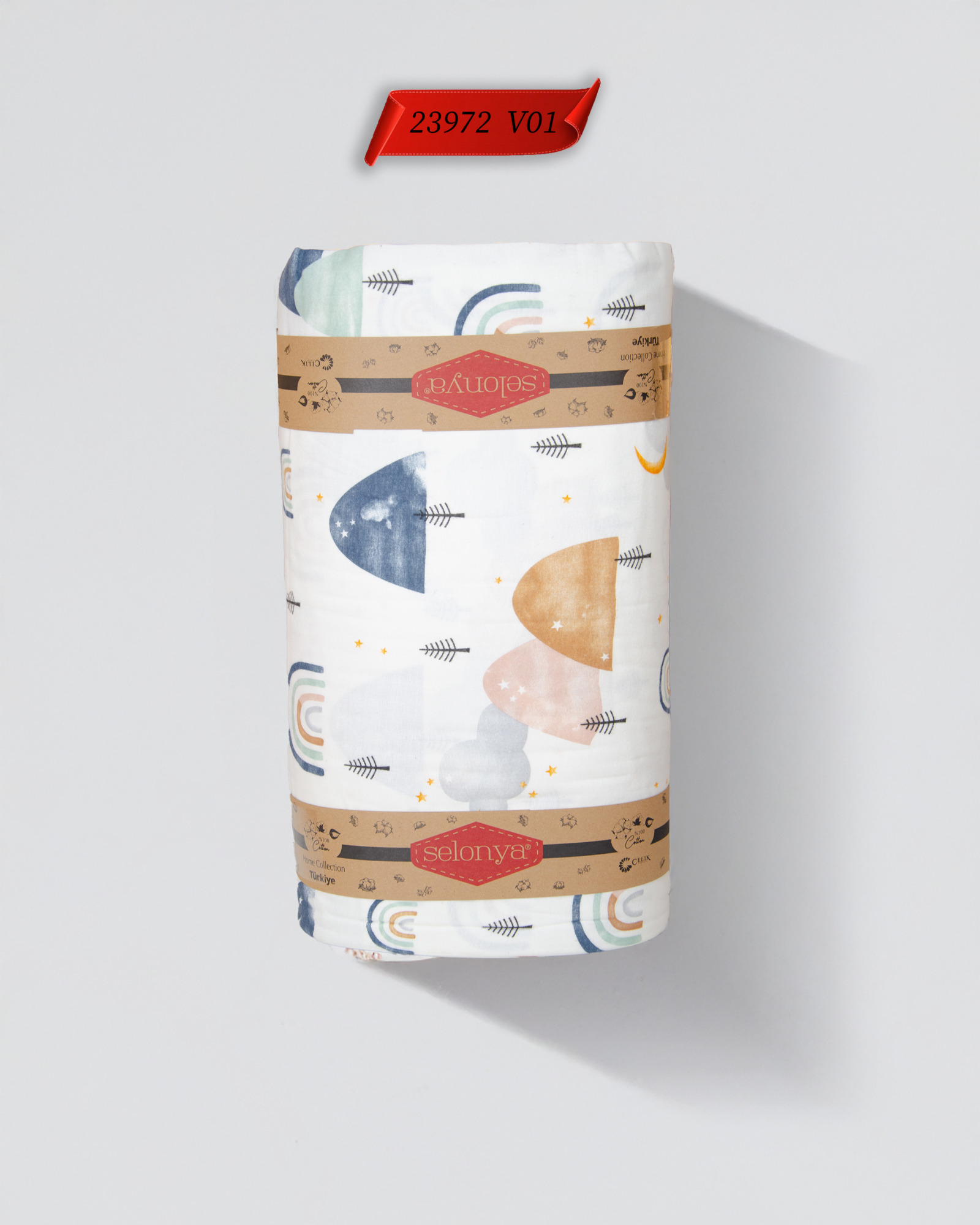
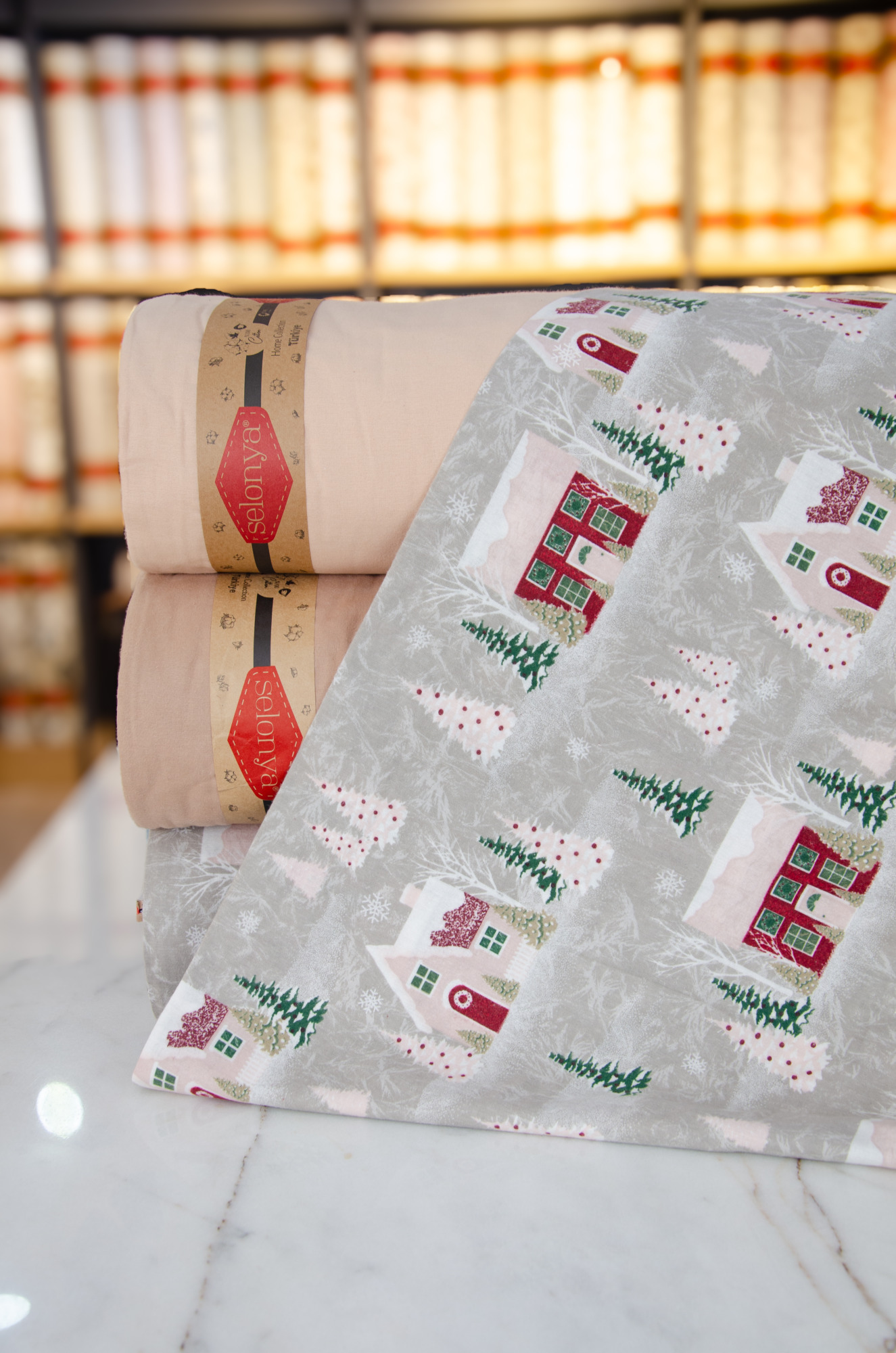
If you are looking for soft, comfortable, and eye-catching fabrics for children’s textiles, Çelik Tekstil’s Selonya flannel fabrics stand out with options tailored to various needs. Offering a range of colors and patterns, Selonya flannel fabrics are suitable for use in children’s bedding, blankets, pajamas, shirts, and various home textile products.
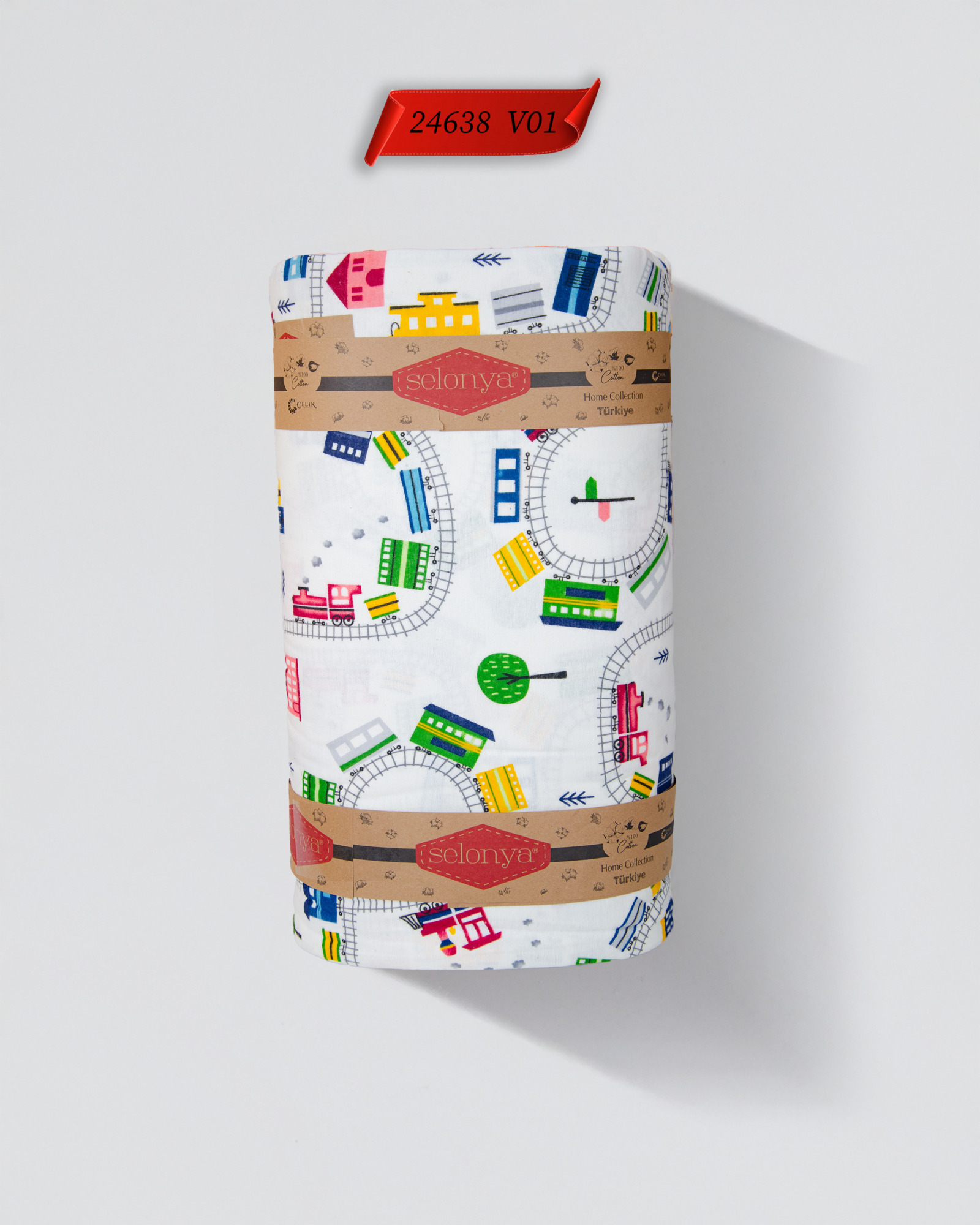
The selection of high-quality fabric plays a significant role in children’s textile products, both in terms of comfort and design. With its Selonya collection, Çelik Tekstil aims to meet the needs of manufacturers by offering flannel fabric options suitable for various product categories.
Conclusion
With its soft texture, slightly fuzzy surface, and heat-retaining properties, flannel is an excellent fabric choice for children’s room textiles. It is particularly suitable for items such as bed linen, blankets, pajamas, and various other textile products during the autumn and winter months.
When selecting flannel fabric for children, one should consider not only the pattern but also the fiber content, weight, manufacturing specifications, and intended use. Choosing the right fabric is crucial for ensuring both comfort and suitability for the product’s intended purpose in children’s room textiles.