


What Is Muslin Fabric Used For? 15 Practical Uses for Home and Clothing
Muslin is a lightweight cotton fabric that can be used in many different textile products. Its open construction, soft feel and ability to absorb moisture make it useful for both home textiles and clothing.
The exact characteristics of muslin depend on how it is made. A single-layer muslin can be very light and airy, while 2-layer and 4-layer constructions have more body and coverage. Printed and plain muslin can also be used for very different purposes.
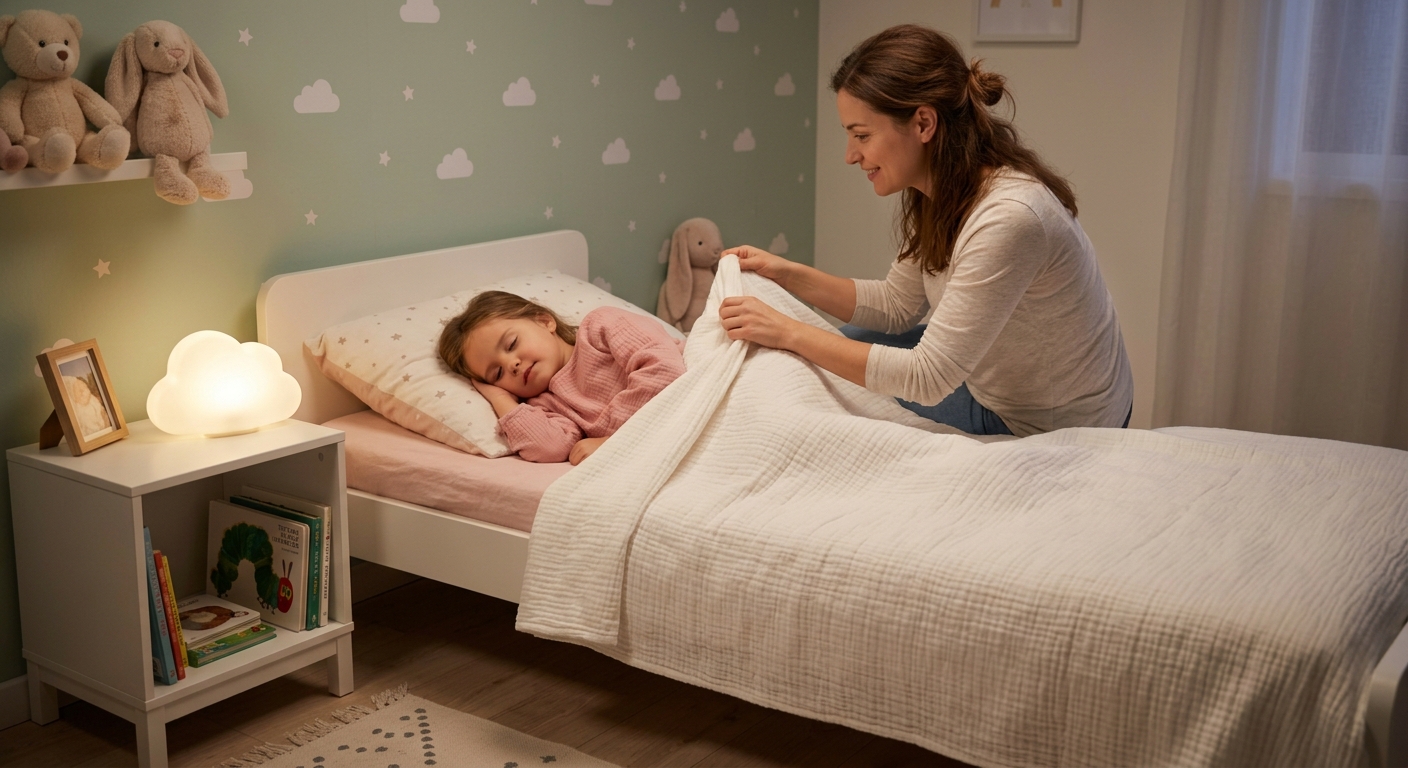
This is why there is no single answer to the question “What is muslin fabric used for?” The right application depends on the fabric’s weight, construction, color, print and the properties required from the finished product.
Selonya Muslin Fabrics
If you ever visited textile fabrics exhibitions in Turkey, China, France or some other European countries, you’ve probably become familiar with Selonya fabrics brand. Selonya Muslin fabrics are known for their certified quality, durability and competitive prices. If your company is in need of muslin fabrics with different colors or even printed muslin fabrics of Selonya, feel free to reach out to Celik Tekstil’s whatsapp numbers to get your special price, but make sure you order meets Selonya’s MOQ.
1. Baby and Children’s Clothing
Muslin is commonly used for lightweight children’s clothing because cotton muslin can be soft, breathable and comfortable against the skin.
Its light construction makes it particularly suitable for warm-weather garments. Depending on the number of layers, it can be used for dresses, shirts, loose tops, trousers and other children’s clothing.
Printed muslin is also popular for children’s products because the fabric can carry colorful patterns without losing its soft cotton character.
2. Summer Clothing
Muslin can be a good choice for clothing designed for warm weather. A lightweight construction allows air to move through the fabric, while cotton can absorb moisture from the skin.
One-layer muslin is particularly light and airy, while 2-layer muslin provides more coverage without becoming as heavy as many conventional fabrics.
For summer clothing, the choice between the different constructions depends on how much coverage and body the garment needs.
3. Dresses and Skirts
Muslin can be used for casual dresses, skirts and other loose-fitting garments.
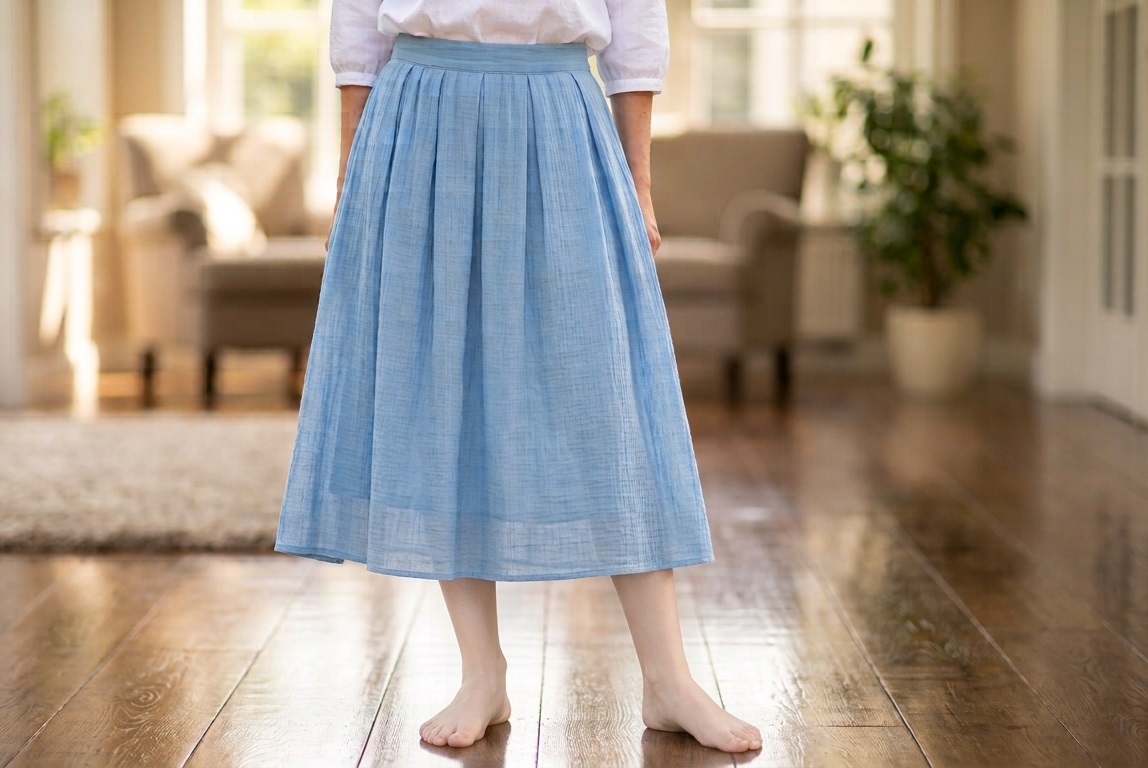
Lightweight muslin has a relaxed drape that works well with simple designs. A 2-layer or 4-layer construction can be chosen when a fuller fabric with more coverage is preferred.
Because muslin can be relatively transparent in a single layer, the construction needs to be considered when designing garments. A lining or a multi-layer construction may be appropriate when more opacity is required.
4. Shirts and Blouses
Lightweight cotton muslin can also be used for shirts, blouses and loose tops.

The fabric’s breathability makes it suitable for warm weather, while its soft texture gives casual garments a relaxed appearance.
The final result depends heavily on the construction. A very light 1-layer fabric creates a different garment from a fuller 2-layer or 4-layer fabric, even when the fabrics are made from the same type of cotton.
5. Baby Bedding
Muslin is well suited to many children’s bedroom textiles, including lightweight bedding.
Its soft cotton construction and breathable nature make it useful for products where comfort and airflow are important. Multi-layer muslin can provide more coverage and a fuller feel than a single layer.
Printed muslin is particularly suitable for children’s bedding because patterns can be incorporated directly into the fabric, allowing the same material to become part of the overall bedroom design.
6. Blankets
Muslin can be used to make lightweight blankets and throws.
The number of layers makes a significant difference here. A single layer creates a very light cover, while several layers create a fuller blanket with more warmth and body.
A 4-layer muslin construction can be particularly suitable when a soft, breathable blanket is wanted without using a very heavy fabric.
Muslin blankets are also easy to fold and store because cotton gauze constructions can remain relatively light even when multiple layers are combined.
7. Children’s Bedroom Textiles
Muslin can be used for more than bedding. It can also become part of children’s bedroom decoration through products such as decorative covers, lightweight curtains and other textile accessories.
Printed muslin is particularly useful for this purpose. A repeating pattern can add color to a child’s bedroom without requiring a separate printed decorative layer.
The fabric can also be combined with other cotton textiles when a coordinated bedroom collection is being produced.
8. Quilting and Patchwork
Cotton muslin can also be used in quilting and sewing projects.
Its plain construction makes it easy to cut and sew, while its relatively low cost compared with some specialty quilting fabrics can make it useful for certain parts of a project.
The appropriate muslin depends on the purpose. A lightweight fabric may work well for some quilt components, while a heavier or more tightly constructed cotton fabric may be preferable for others.
For projects where the fabric will be visible, color and print become important as well. For projects where it will be used as a backing or internal layer, the construction and weight may matter more than appearance.
9. Curtains
Lightweight muslin can be used for curtains when a soft and airy appearance is wanted.
A single-layer fabric can allow considerable light through a window, creating a bright and relaxed look. A multi-layer construction can provide more coverage while still maintaining some of the visual softness associated with muslin.
This makes muslin more appropriate for lightweight decorative curtains than for applications where complete blackout or strong insulation is required.
10. Cushion Covers and Decorative Home Textiles
Muslin can be turned into cushion covers, decorative pillowcases and other small home textile products.
Plain muslin works well when a simple natural appearance is desired, while printed muslin can introduce patterns and colors into a room.
The fabric’s relatively soft structure also gives cushions and other textile decorations a less rigid appearance than they might have with heavier upholstery fabrics.
For products that receive heavy daily use, however, the fabric construction and expected wear should be considered before choosing muslin.
11. Table and Kitchen Textiles
Cotton muslin can be used for lightweight kitchen and household textiles, particularly where a washable cotton fabric is useful.
Its absorbent nature makes cotton suitable for certain household applications, although the exact suitability depends on the fabric’s construction and finish.
A more open muslin is not automatically better simply because it is more absorbent. The intended use may require a particular balance between absorbency, strength, thickness and drying speed.
For this reason, the specific fabric should be selected according to the finished product rather than simply by the name “muslin.”
12. Sewing and Pattern Making
Muslin has an important place in sewing because it can be used to make test garments before cutting the final fabric.
A preliminary garment, sometimes called a toile or muslin, allows a designer or dressmaker to check the shape, proportions and fit of a pattern before using a more expensive fabric.
The fabric used for this purpose does not necessarily need to be the same muslin that would be used for the final garment. What matters is choosing a fabric with properties suitable for testing the pattern.
This practical use is one reason the word “muslin” appears frequently in sewing terminology.
13. Embroidery and Decorative Textile Work
Muslin can also provide a suitable base for embroidery and other textile decoration.
A plain-colored fabric creates a simple background for stitched designs, while colored muslin can change the overall appearance of the finished work.
The weave needs to be considered when selecting fabric for embroidery. Very open constructions may require a different technique from more stable cotton fabrics, particularly when the embroidery contains dense stitching.
For lightweight decorative projects, muslin can provide a softer appearance than heavier woven cotton.
14. Home Decoration and Backdrops
Muslin can be used as a lightweight backdrop for photography, displays, events and interior decoration.
White and neutral-colored muslin are often useful when a simple background is needed. Colored or printed fabrics can create a more decorative effect.
Its low weight makes muslin relatively easy to handle compared with heavier fabrics, although the amount of light passing through the fabric should be considered when it is being used as a backdrop.
For professional photography or stage work, specialized backdrop fabrics may be more appropriate when complete opacity and controlled lighting are required.
15. Blankets, Throws and Other Layered Home Textiles
The layered construction of muslin makes it useful for products where a combination of softness, lightness and coverage is wanted.
A 1-layer fabric can provide a very light textile surface, while 2-layer and 4-layer constructions create progressively fuller materials. This makes the same basic type of fabric suitable for different products simply by changing its construction.
For home textile manufacturers, this is particularly useful because the fabric can be selected according to the final product rather than treating muslin as a single fixed material.
Why Is Muslin Used for So Many Different Products?
The answer comes down to its construction.
Muslin is not one specific fabric with one fixed thickness. Cotton muslin can be produced in different weights and constructions, and the finished fabric can be plain, dyed or printed.
A 1-layer muslin may be chosen when maximum lightness and airflow are important. A 2-layer construction can provide more body and coverage, while 4-layer muslin can provide considerably more fullness and warmth.
The same principle applies to color and printing. A plain muslin fabric may be ideal for a simple garment or natural-looking home textile, while printed muslin can be used to create children’s clothing, bedding and decorative products with a stronger visual character.
This range of possibilities is what makes muslin useful to both clothing manufacturers and home textile producers.
Choosing the Right Muslin for the Job
The most important question is not simply whether muslin can be used for a particular product. It is which type of muslin is appropriate for that product.
For a very lightweight summer garment, a 1-layer construction may be suitable. For clothing that needs more coverage, 2-layer muslin can be a better choice. For blankets and fuller home textiles, 4-layer muslin may be more appropriate.
Color and printing should also be considered. A printed fabric can be an important part of a children’s bedroom collection, while a plain color may be preferable for a simple garment or home textile.
Weight, width, construction and finishing can also affect the final result. When producing textile products commercially, it is therefore useful to test the actual fabric before placing a large order.
Muslin for Modern Home Textiles and Clothing
Muslin has remained useful because it can be adapted to many different textile products without losing the basic qualities that make cotton attractive.
Today, it can be found in children’s clothing, bedding, blankets, home decoration and many other products. Printed designs have also made it possible to use muslin as part of a coordinated interior or children’s collection rather than treating it only as a plain utility fabric.
For manufacturers and designers, this means that the choice of muslin is not limited to one particular look. Different layers, colors and prints can produce very different finished products.
Conclusion
Muslin fabric can be used for a wide range of home and clothing products, from summer dresses and children’s clothing to bedding, blankets, curtains, cushion covers and sewing projects.
The important thing to remember is that muslin is a family of fabrics rather than one fixed specification. A 1-layer, 2-layer and 4-layer muslin can have noticeably different properties, and the choice should be based on the requirements of the finished product.
Plain muslin can provide a simple and natural appearance, while printed muslin can add color and pattern to clothing, bedding and children’s bedroom textiles. With the right construction, cotton muslin can be both practical and comfortable for everyday textile products.
If you are looking for different colors, constructions and printed designs for clothing or home textiles, you can explore Selonya’s muslin fabric collection.