Common uses of Ranforce (poplin) fabric
Bedding
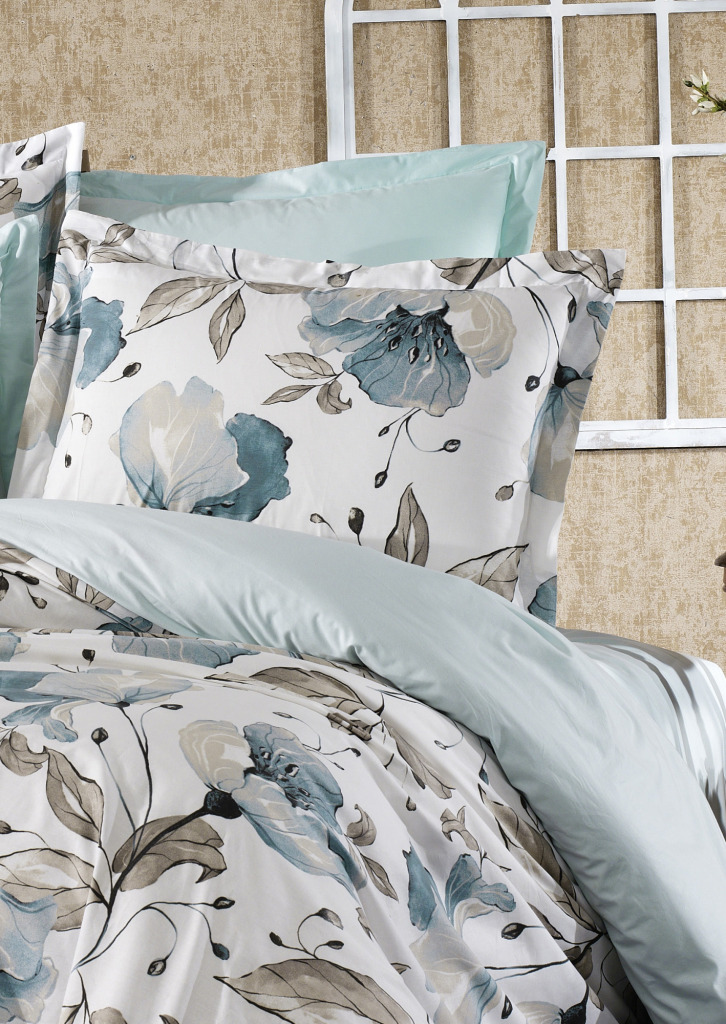
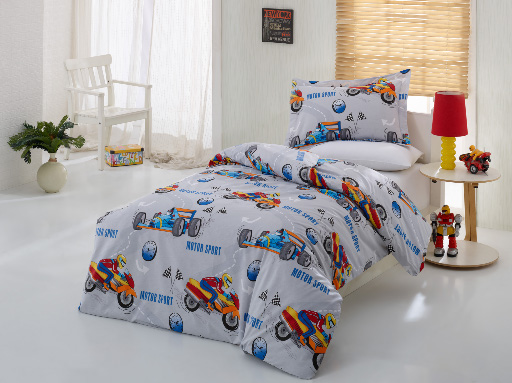
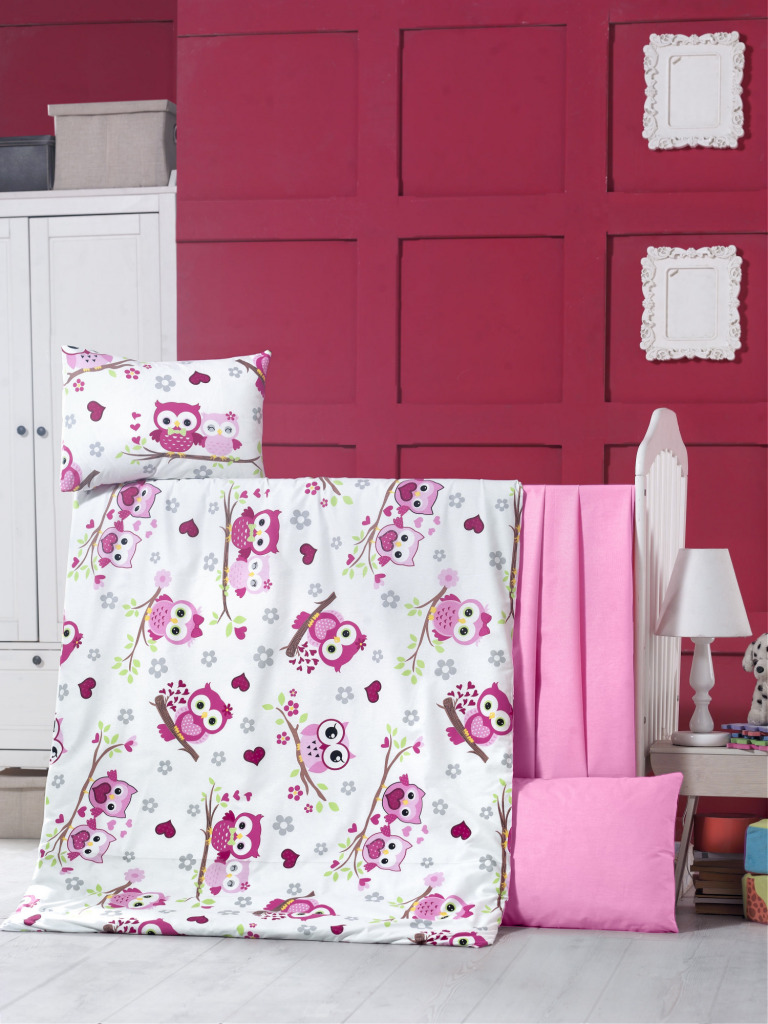
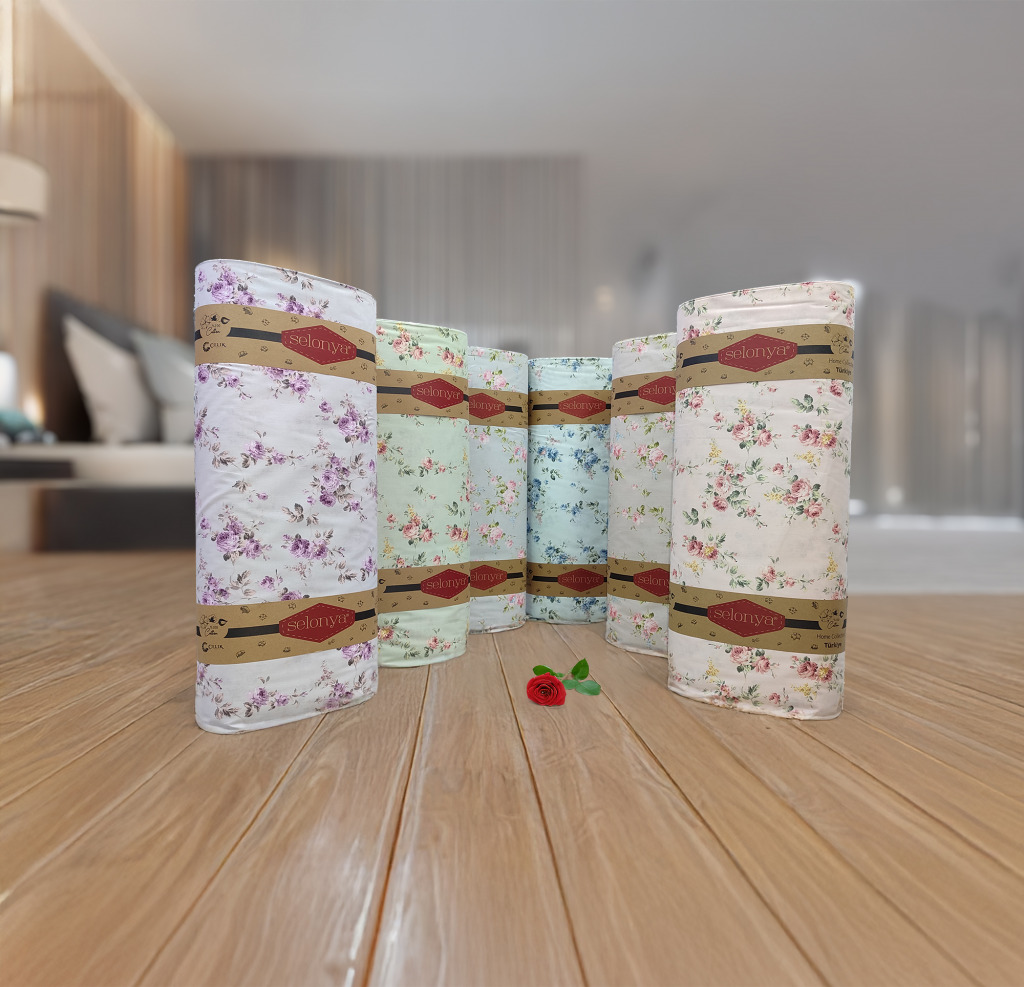
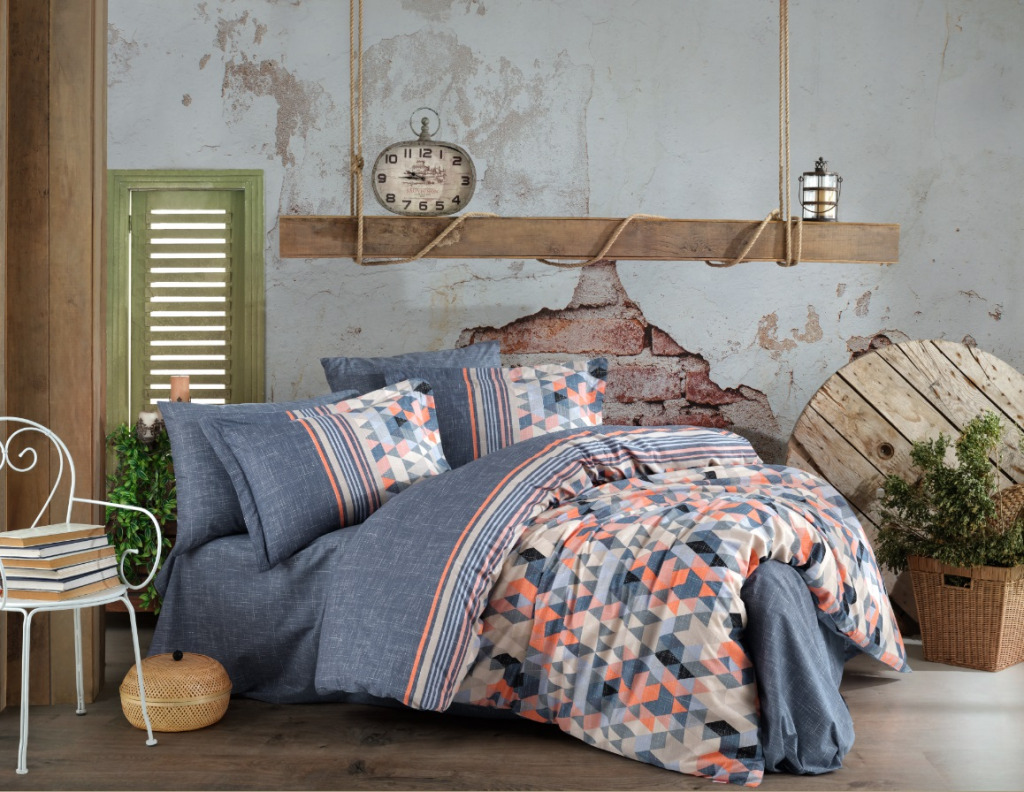
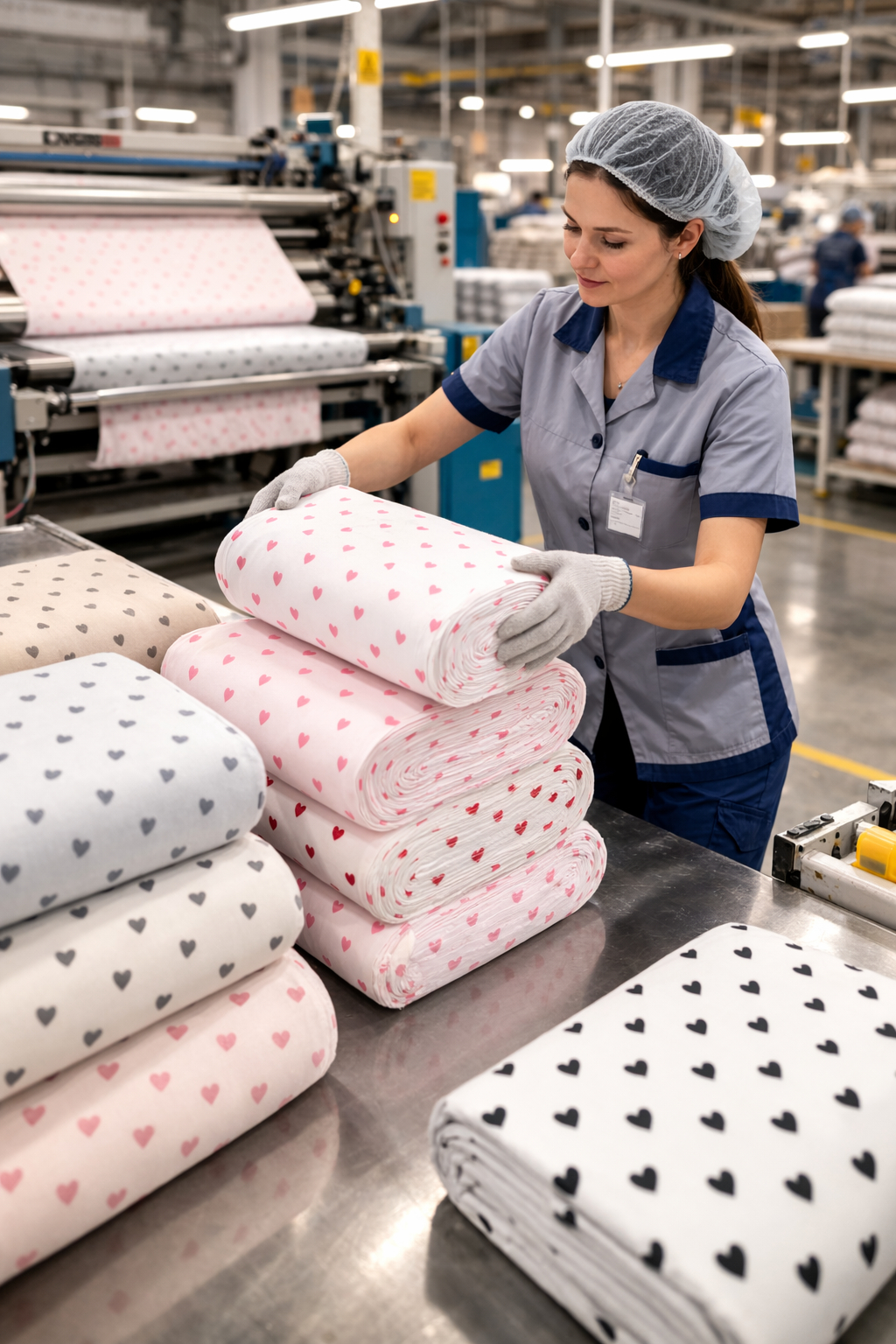
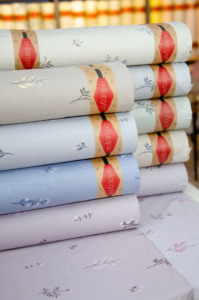
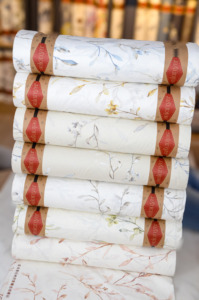
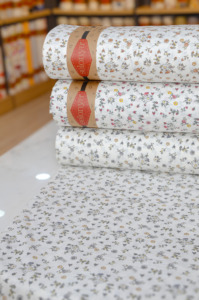
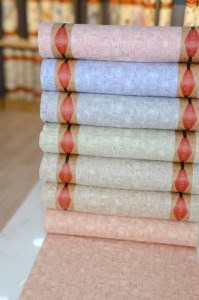
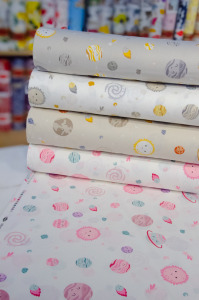
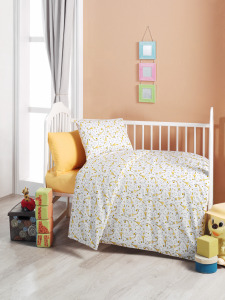
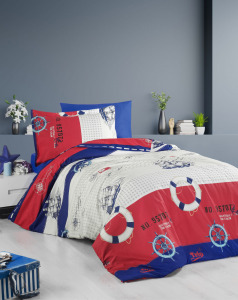
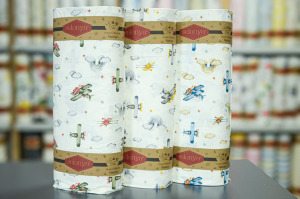
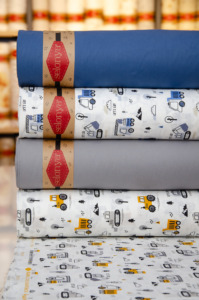
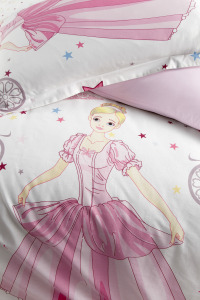
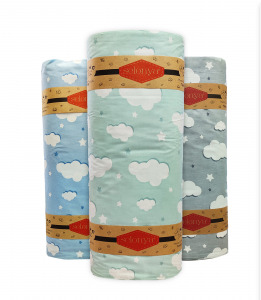
Poplin is used extensively in bedding and bed sets. Duvet covers are mainly made of poplin fabric due to its durability and softness.
As well as bed Sheets and pillowcases. Poplin makes a perfect choice for decorating and covering everything in the bedroom.
Quick tips for Poplin Bedding:
Poplin (Ranforce) bedding is generally low-maintenance, but a few tips can help you keep it looking and feeling its best. To prevent wrinkles, consider shaking out the poplin cotton fabric before making the bed. Avoid using harsh detergents or fabric softeners for poplin, as these can damage the fabric’s fibers. If the bedding does wrinkle, a quick iron on a low heat setting can easily smooth the ranforce textile out. For a fresh scent, opt for airing the cotton poplin bedding outdoors or using natural, plant-based laundry fresheners.
Clothing
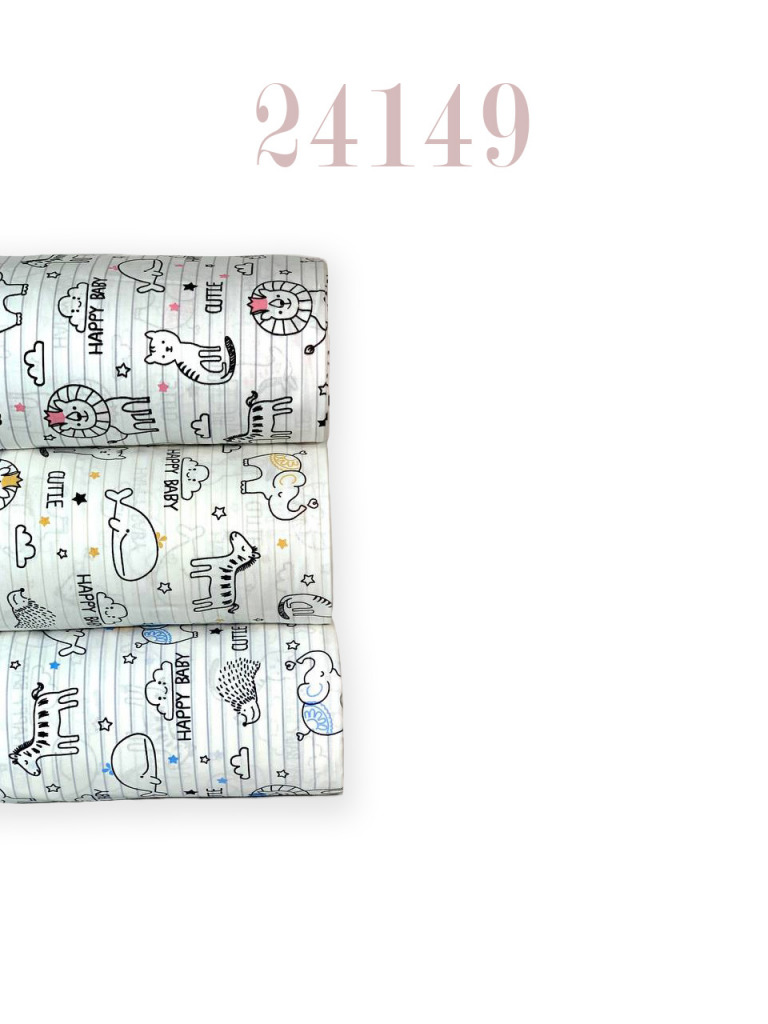
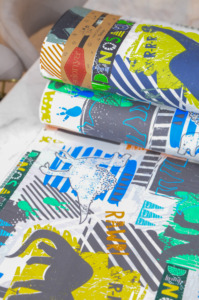
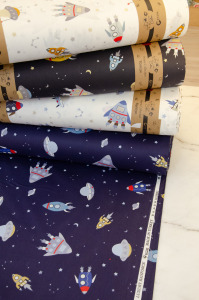
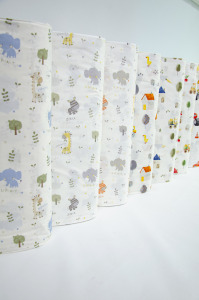
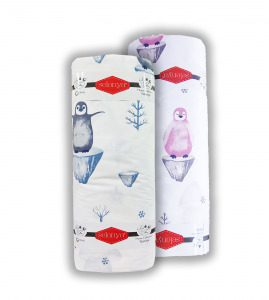
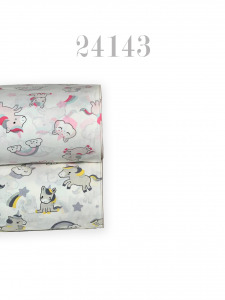
Especially for children’s wear. Ranforce is a suitable fabric choice for children’s clothing due to its softness, breathability, and durability.
Poplin fabrics are generally stain-resistant due to their tight weave and natural properties. However, it’s always best to treat stains promptly. For most stains, blot the area with a clean cloth and cold water. Avoid rubbing, as this can push the stain deeper into the fabric. For stubborn stains, a mild detergent and a soft-bristled brush can be used. Always follow the care label instructions for specific stain removal recommendations.
Poplin for Home textiles
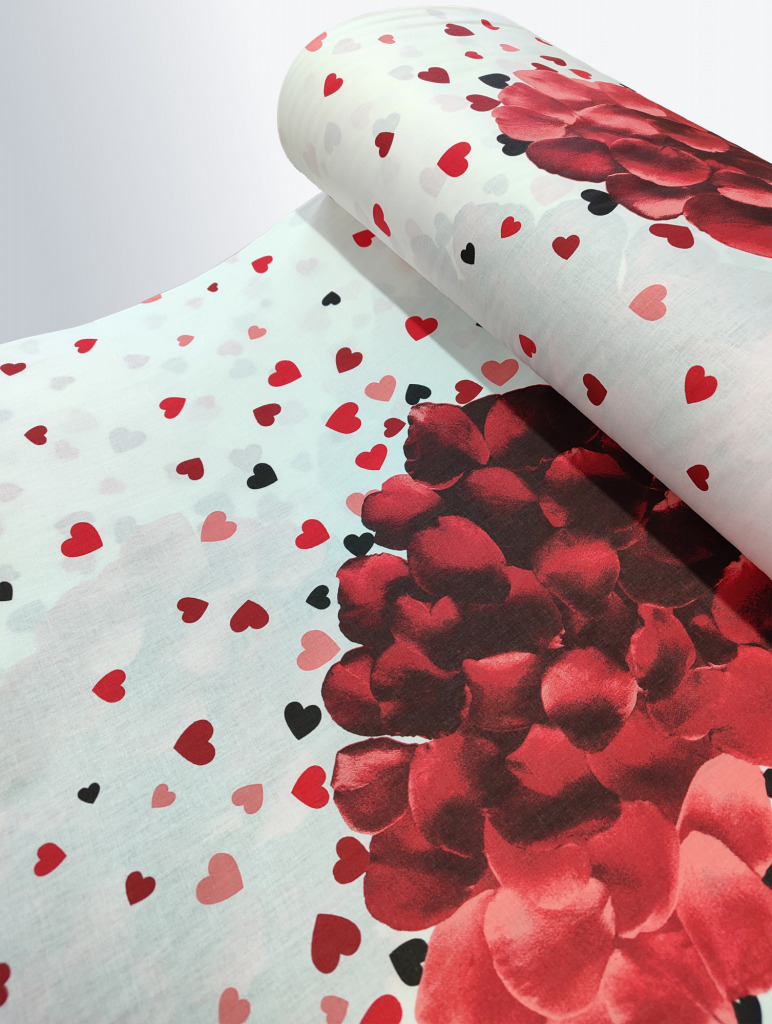
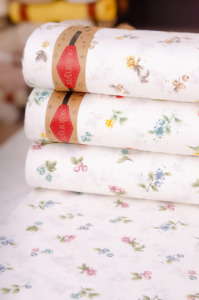
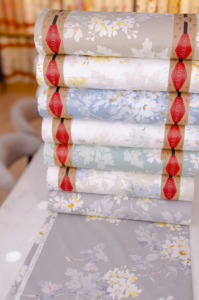
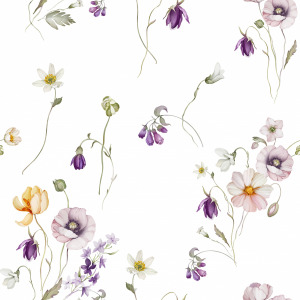
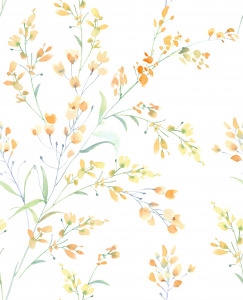
Curtains, tablecloths, etc. Poplin is a versatile fabric choice for various home textiles. Beyond bedding, poplin textile can be used for curtains, tablecloths, napkins, and even throw pillows. Its durability, breathability, and soft texture make it a popular choice for these items. Poplin (Ranforce) curtains, for example, can add a touch of elegance to a room while also providing ample light control. Similarly, poplin cotton tablecloths and napkins offer a stylish and practical option for dining areas.
Poplin tablecloths are generally easy to clean. They are typically machine washable and can be dried in a dryer on low heat. For stains, blot the area with a clean cloth and cold water before washing.